Gisèle Pelicot says she is “deeply shocked” after court decides not to jail boys in rape case

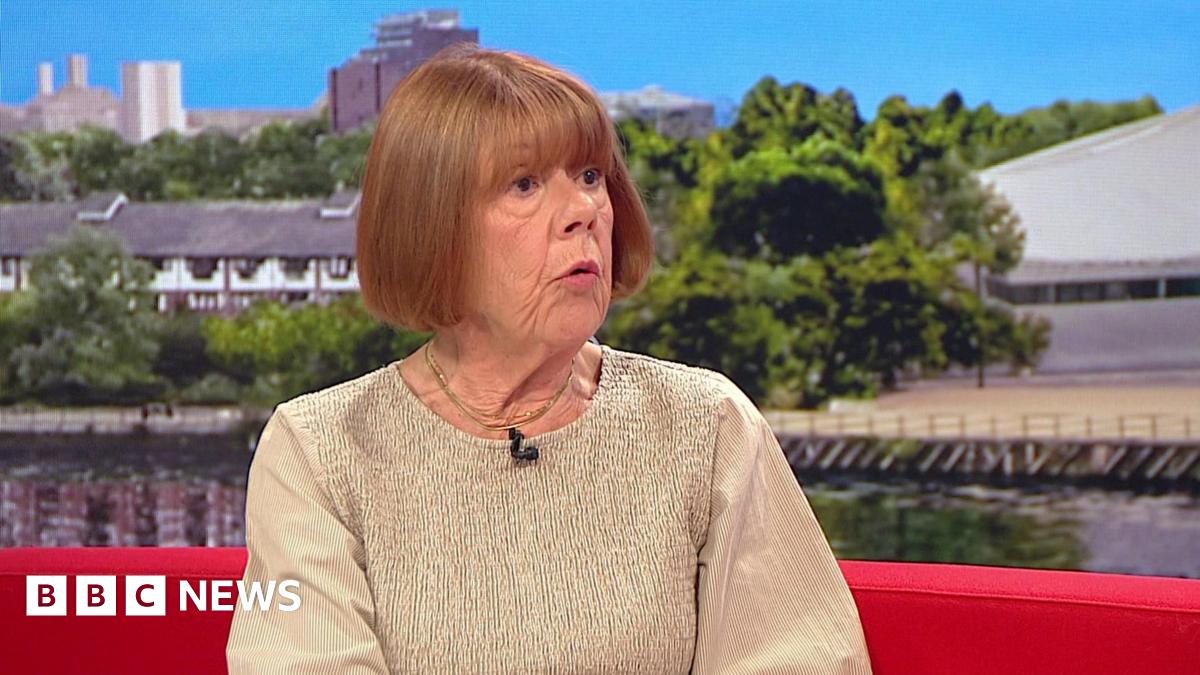
Prime Minister Sir Keir Starmer has described the case as “appalling” after a Southampton Crown Court judge handed non-custodial youth sentences to three boys convicted over the rape of two girls in January 2025. Starmer said the victims had shown “extraordinary bravery and strength in heinous circumstances,” as public criticism intensified over the outcome of the case.
Judge Nicholas Rowland sentenced two 15-year-old boys and one 14-year-old boy for offences arising from the attack and related indecent image charges. One of the 15-year-olds received a three-year Youth Rehabilitation Order, including 180 days of intensive supervision and surveillance, for the rape of each of the two girls and two charges involving indecent images. The second 15-year-old was given the same order for three rape charges against each victim and four counts of taking indecent images. The 14-year-old received an 18-month Youth Rehabilitation Order for rape-related offending after encouraging one of the other defendants during the attack.


All three boys were also placed under a three-month curfew and made subject to a 10-year restraining order banning contact with the victims. The judge said he aimed to avoid “criminalising” the boys and told them, “None of you need to go to prison today.” He acknowledged the seriousness of the crimes, saying the filming of the assaults made the offences even more serious, while also stressing the defendants’ very young ages.
The sentences are now being reviewed by Attorney General Lord Richard Hermer, who has 28 days to decide whether the case should be referred to the Court of Appeal. Under the youth justice system, offenders under 18 who are given custodial sentences are held in secure centres for children, rather than adult prisons. Judge Rowland’s decision not to impose custody has drawn concern from critics who argue the punishment does not reflect the gravity of the crimes.
One of the victims, now 16, has said she and her family want the sentences changed and the boys sent to jail. She said the outcome felt like a “slap on the wrist” and questioned why she had had to endure a trial and relive the trauma in court if the sentences would not reflect the impact of what happened. Her comments have added to the broader public debate over how the justice system handles serious sexual offences committed by children and teenagers.
The case has prompted strong reaction because it sits at the intersection of youth sentencing, sexual violence, and public confidence in the courts. With the attorney general’s review now underway, the sentences may yet be challenged, leaving open the possibility of a further legal battle over whether the punishment was too lenient for the severity of the attack.



/https://i.s3.glbimg.com/v1/AUTH_da025474c0c44edd99332dddb09cabe8/internal_photos/bs/2026/B/v/WGxyfiQ9WwJOYqppcAaw/arte-2026-05-25t113053.941.png "Caetano Veloso reage ao ouvir nome de Virginia Fonseca e diz: “Sou um alienado”")