Shoppers thronged major markets across Kashmir on Monday for last-minute Eid shopping, even as traders and livestock dealers reported weak sales and cautious spending amid rising prices and financial pressure.
From Srinagar’s commercial hubs to markets in south and north Kashmir, roads and shopping lanes remained crowded throughout the day as families bought clothes, bakery items, footwear, cosmetics and sacrificial animals ahead of Eid celebrations on Wednesday. Major business areas in Srinagar, including Lal Chowk, Residency Road, Maharaja Bazar, Maisuma, Bohri Kadal, Goni Khan and Jamia Market, wore a festive look, with shopkeepers extending business hours to handle the rush. Historic markets around Jamia Masjid and Pather Masjid also saw heavy footfall, particularly in shops selling traditional wear, spices, bakery products, perfumes and prayer essentials.


Despite intermittent afternoon rain, markets continued to draw buyers until late evening. Mehendi stalls and beauty parlours recorded brisk activity as women and young girls prepared for the festival. Similar scenes were reported from Baramulla, Kupwara, Anantnag, Pulwama, Shopian, Bandipora, Budgam and Ganderbal, where markets and livestock sale points remained active through the day.
However, traders said the festive atmosphere was shadowed by slower-than-usual business. Many noted that spending had become more restrained compared with previous Eid seasons, with families prioritising essentials and cutting back on non-essential purchases. Garment, footwear, kitchenware and bakery sellers said inflation and financial uncertainty were affecting consumer demand. Shopkeepers said that earlier years often saw freer, prolonged Eid shopping, while this year customers appeared to calculate every expense carefully.
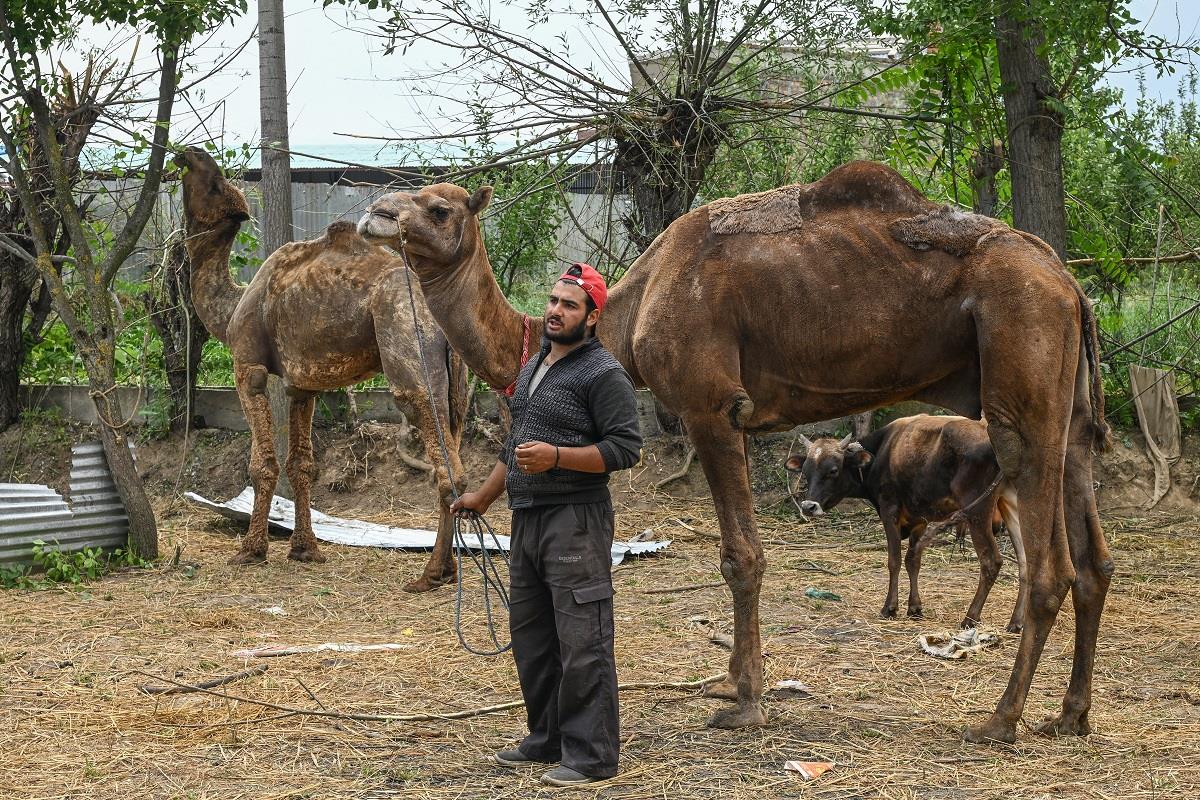
Livestock dealers across the Valley also reported poor sales of sacrificial animals. At makeshift cattle markets in Srinagar, Pulwama, Baramulla and Bandipora, buyers were seen bargaining hard, and many left without purchasing. Dealers said affordability had become a major concern for families, while rising transport and feeding costs were squeezing margins. Some cattle traders warned they could face losses if demand did not improve before Eid.
Bakery owners likewise said sales of traditional Eid items were weaker than expected. They pointed to higher raw material costs and smaller purchase quantities from customers. Despite the sluggish trade, many sellers remain hopeful that a final wave of shopping will pick up on the eve of Eid, traditionally the busiest shopping day in the Valley.
The overall scene across Kashmir was one of crowded markets, festive preparations and subdued spending, reflecting both the spirit of Eid and the economic strain felt by many households.



/https://i.s3.glbimg.com/v1/AUTH_59edd422c0c84a879bd37670ae4f538a/internal_photos/bs/2026/i/p/EcPc9lSkqrcO4zKLp6Mw/alexandre-borges.jpg "Alexandre Borges Enfrenta Desafio e Se Aproxima dos Pais em Santos")