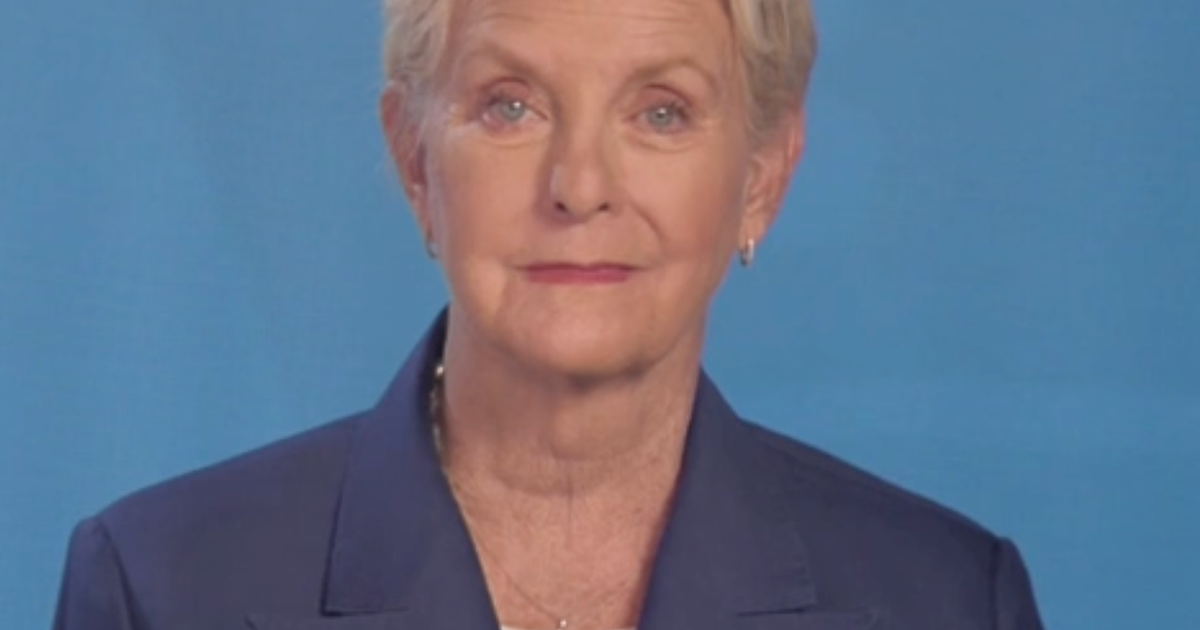
Cindy McCain, the executive director of the U.N. World Food Programme, said the global hunger outlook is worsening because funding has fallen sharply while the number of people needing emergency food aid keeps rising. In an interview taped May 29, 2026, and aired on “Face the Nation” on May 31, McCain said the WFP has received only about half the money it needs this year. She blamed the shortfall on both reduced U.S. support and a broader retreat by governments around the world from foreign aid.
McCain said many countries are shifting toward domestic priorities, but warned that the consequences are severe. She said the world is facing multiple famines and that emergency food assistance now depends on a wider coalition of governments, private companies and corporations stepping in. While she said private-sector involvement is increasing, she stressed that the need is too large for any one donor or institution to handle alone.


A major concern, she said, is the Ebola emergency in the Democratic Republic of Congo, where WFP is part of the response alongside the World Health Organization and other aid groups. McCain described the outbreak as fast-moving and dangerous, saying responders still do not know how many people have been affected. She said WFP’s role includes logistics, moving supplies and personnel into affected areas, and protecting its own staff has become a priority because there are no adequate facilities in place.
McCain also pointed to Sudan as one of the world’s worst humanitarian crises. She said there has been only limited progress in reaching Darfur, and deliveries remain unpredictable because armed groups can block movement at any time. Still, she said she believes the crisis will eventually be resolved and that people in Sudan can survive if aid continues to reach them.
On the Middle East, McCain said civilians in Iran and surrounding areas are suffering because of conflict, bombing and disruptions to major shipping routes. She said closing the Strait of Hormuz would worsen hunger, drive up prices and slow deliveries of food, fertilizer and seeds. She added that it can take months to restore supply chains once access is disrupted, and warned that women and children are always hit first.
McCain said the humanitarian situation in Gaza has deteriorated again after a brief period when trucks could enter at scale during a ceasefire. She warned that children in Gaza, Lebanon, Syria, Sudan, Ukraine and other conflict zones face the risk of long-term harm if they do not receive adequate nutrition, schooling, housing, water and medicine. She said the world may be on the verge of losing “a generation of children” in places where war and hunger overlap.
She also linked hunger to security risks, arguing that starving people are more vulnerable to recruitment by armed groups. McCain said aid workers are increasingly under attack and called the environment more dangerous than ever, citing convoy and warehouse attacks in Ukraine that she believes were deliberate. She said respect for humanitarian law is essential but is not being upheld.
McCain said the dismantling of USAID has affected operations, though she acknowledged that governments have a right to question how aid money is spent. She said the WFP must become leaner, more efficient and more technologically effective. As she prepares to step down, McCain said her successor should lead with heart, work across party lines and be willing to take risks to deliver food to people who cannot help themselves.