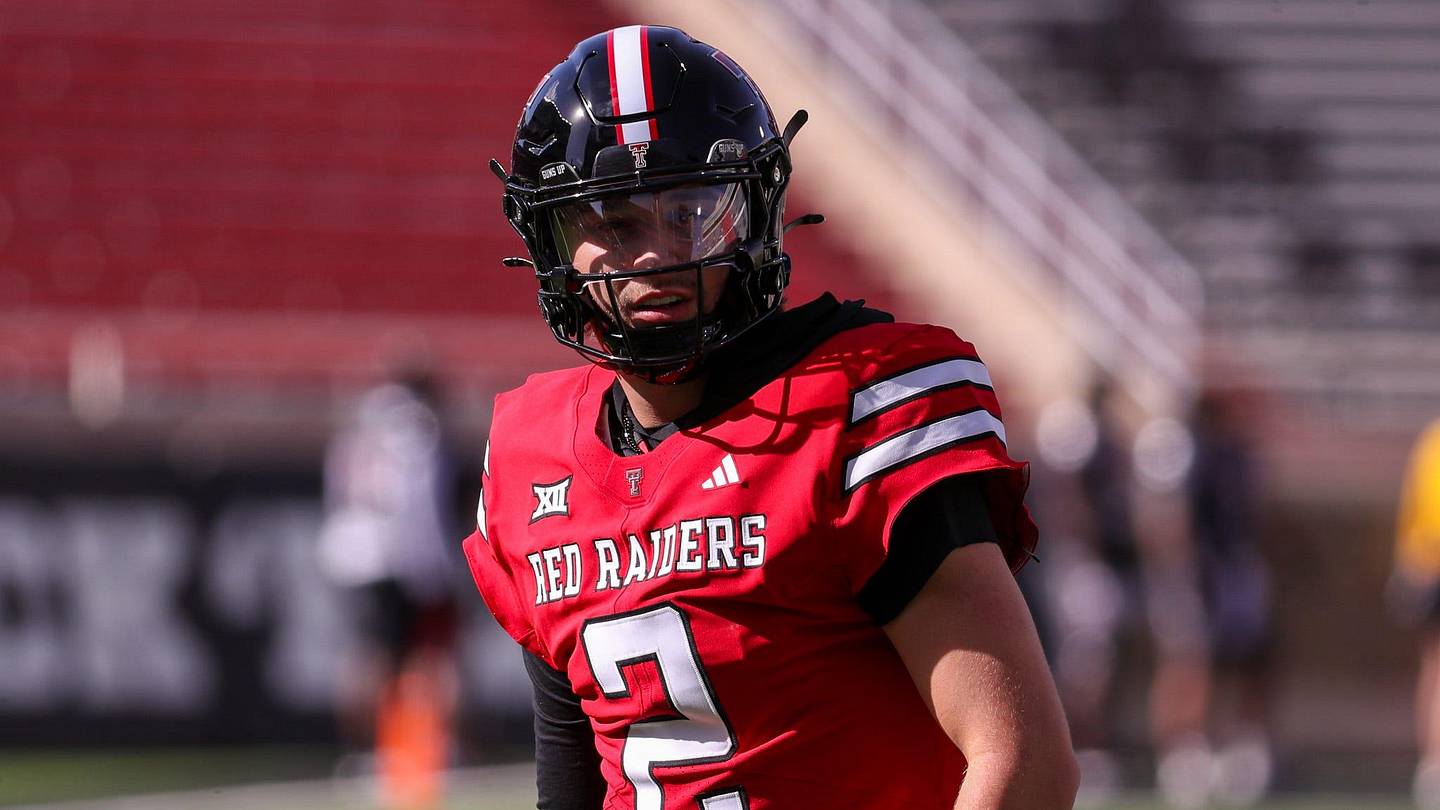
Brendan Sorsby’s path to Texas Tech has become one of the most unusual stories in college football, blending on-field success, personal struggle, legal conflict, and mounting tension between a major program and the sport’s governing and conference powers. What began as a routine transfer move has turned into a national controversy that could shape how colleges handle eligibility, gambling-related discipline, and conference retaliation.
Sorsby arrived at Texas Tech on Jan. 4 after a breakout season at Cincinnati, where he helped lead the Bearcats to their first winning record since 2022 and earned second-team All-Big 12 honors. He completed 61.6% of his passes for 2,800 yards and 27 touchdowns, with only five interceptions, and ranked among the conference’s best in adjusted yards per attempt. His transfer was widely viewed as a major boost for the Red Raiders and a key addition to their 2026 hopes.


The situation changed dramatically on April 27, when Texas Tech announced that Sorsby would enter residential rehab for a gambling addiction. The announcement came the same day reports emerged that the NCAA was investigating allegations that he had bet on Indiana in 2022 while on the roster there. That development triggered immediate questions about his eligibility and his future in college football.
By May 18, the NCAA had ruled Sorsby ineligible, prompting him to seek an injunction in district court. In legal filings, his attorneys argued that the NCAA would not be harmed by allowing him to play while his case was pending. The court documents also included an affidavit in which Sorsby admitted to placing 40 wagers on Indiana during his time there, though he said none involved games in which he played.
On June 8, a judge granted the injunction and also imposed a two-game suspension, a result that shocked much of college football. The NCAA quickly objected, saying it strongly disagreed with the ruling and warned that the decision could have broad and destabilizing effects. The case is now scheduled to go to civil trial in February.
The ruling sparked intense backlash around the sport. Reports quoted several athletic directors and suggested some schools and conferences were considering boycotts or other forms of protest against Texas Tech. The controversy intensified concerns about how gambling issues should be handled, and whether conference members should be expected to continue competing against a program at the center of such a dispute.
Texas Tech, however, has shown no sign of backing away from Sorsby. On June 10, athletic director Kirby Hocutt issued a statement defending the quarterback and saying the university would follow the injunction. Reporting also indicated that Texas Tech would challenge the Big 12 if the conference attempted to punish the school.
By June 11, the Big Ten reportedly stepped back from the idea of a full conference-wide boycott, instead leaving such decisions to individual schools. Nebraska remains the only Big Ten member to have taken a formal anti-Texas Tech position, while other possible cases could still surface in football and basketball.
What happens next could have consequences far beyond one quarterback. The Sorsby case has become a flashpoint for college sports, exposing the growing conflict between gambling enforcement, athlete treatment, conference power, and the increasingly unstable business of major college football.