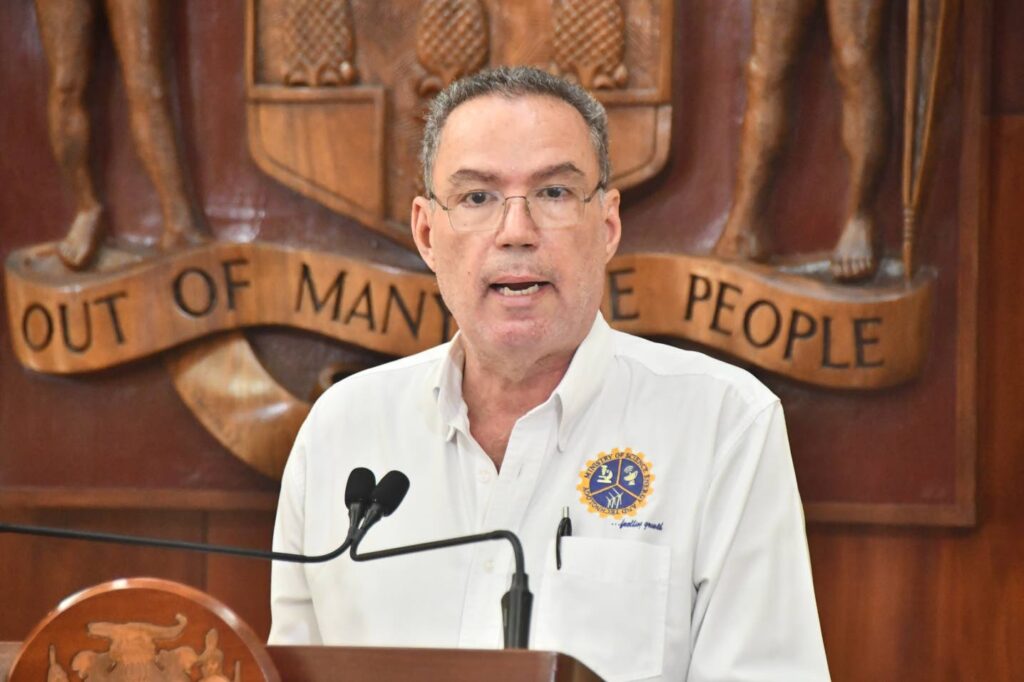
Stockwell decided to sell his business to his employees after watching what happened to other companies that were acquired by outside buyers. He says that when a new owner comes in from outside, the future of the business can quickly change in ways that the original team cannot control. In some cases, he notes, the new owners may relocate the business, shut it down entirely, or make major changes that alter its character and direction. For the employees who remain, that can create uncertainty and leave them with little ability to influence what happens next.
His decision reflects a concern not just about ownership, but about continuity. By transferring the business to the people who already work there, Stockwell aimed to protect the company’s identity and reduce the risk of sudden disruption. Instead of leaving the fate of the firm in the hands of an outside buyer whose priorities might be different, he chose a path that keeps control closer to the people already invested in the business day to day.

The move also highlights a broader issue faced by many small and mid-sized companies when owners look to exit. A sale to an outside buyer can bring financial rewards, but it can also raise fears about culture, jobs, and long-term stability. For employees, an acquisition may mean uncertainty about leadership, strategy, and whether the business they helped build will continue in the same form. Stockwell’s choice suggests that preserving the company’s future for workers can be just as important as maximizing the sale itself.
Selling to employees can offer a different kind of transition. It can help maintain existing relationships, keep knowledge within the company, and provide a sense of shared responsibility. It may also reassure customers and staff that the business is not about to be radically reshaped or dismantled. In Stockwell’s view, that stability appears to have been a key reason to choose employee ownership over a traditional outside sale.
His explanation also reflects a practical understanding of how acquisitions can affect the people inside a company. Even when a takeover is financially successful, the outcome for staff is not always positive. Jobs may be lost, roles may change, and the mission of the business may shift under new leadership. Stockwell’s remarks show that he saw those risks clearly and wanted to avoid leaving his employees vulnerable to decisions made by distant new owners.
At its core, the decision was about protecting the people who had helped build the business and ensuring that its future would remain in familiar hands. Rather than treating the company as a simple asset to be sold, Stockwell viewed it as a living organization with workers whose interests mattered. His choice to sell to employees was a response to the uncertainty that often follows an outside acquisition and a way to give the business a more stable handoff.