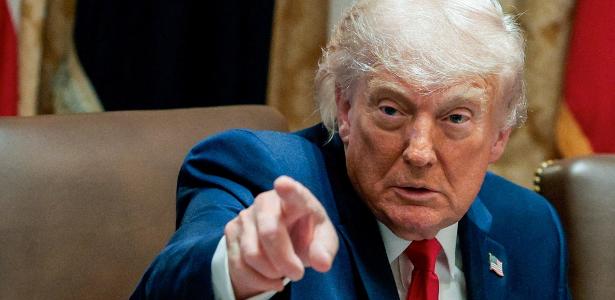
President Donald Trump’s latest medical review found his overall heart function to be normal and his mental status to be normal on a comprehensive neurological examination, according to a memorandum released on Friday by his physician. The report said the president received preventive counseling focused on diet, regular exercise, continued weight loss, and low-dose aspirin use for cardiovascular prevention.
The memo also noted a mild swelling in the lower part of one leg, described as improving compared with last year. In addition, Trump has continued to show bruising on his hands, which the physician characterized as common, benign, and consistent with minor soft tissue irritation linked to frequent handshaking while taking aspirin for preventive cardiovascular care.


The document did not explain the reason for a skin treatment on the president’s neck in March, and it did not indicate that he underwent another MRI scan, unlike the one he had in October. The absence of detail has left some questions unanswered, even as the report portrayed the president’s condition as stable and generally positive.
After the visit, Trump said that “everything was checked perfectly,” reinforcing his own account of being in strong health. Trump, who will turn 80 in June, is the oldest person ever to assume the U.S. presidency. He has often presented himself as more energetic and physically fit than former President Joe Biden, his Democratic predecessor, who left office last year at age 82 after facing questions about his ability to handle the demands of the job.
The new memo was intended to provide reassurance about Trump’s condition after a period of scrutiny surrounding his age and health. Its findings emphasized normal cardiac performance, normal neurological status, and no major alarming issues in the areas it addressed. The physician’s language suggested routine monitoring rather than urgent concern, with the swelling and hand bruising framed as minor and consistent with expected causes.
Still, the report was limited in scope. It did not disclose whether the neck skin treatment required follow-up, nor did it clarify whether additional imaging had been performed since the MRI in October. Those omissions may draw attention, particularly because public discussion of presidential health often focuses on transparency, endurance, and the ability to serve effectively.
Even so, the overall tone of the memorandum was reassuring. It described Trump’s health in terms that suggested stability and normal function, while recommending practical preventive steps aimed at maintaining cardiovascular and general wellness.