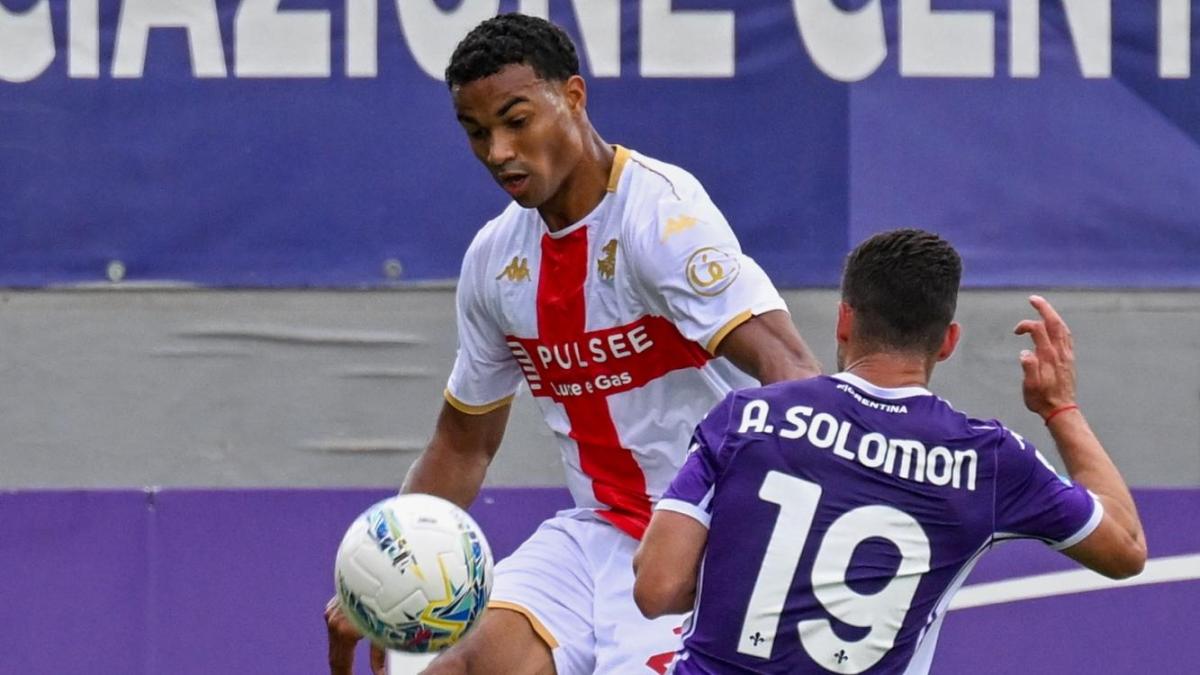
Italian football is facing a growing shortage of homegrown players, and Serie A clubs are being forced to rethink squad planning ahead of the next season and European competitions. The article highlights how the number of Italian players in the top flight has fallen sharply, with only 169 Italians among 536 registered players, or 31.5%. This decline is pushing clubs to pay closer attention to the rules requiring squads to include a minimum number of players with Italian passports or players developed in Italian youth systems. The situation has turned the summer transfer market into a practical search for solutions, as teams try to avoid problems when submitting league and continental lists.
Como is presented as the clearest example of this new trend. The club, preparing for its first season with international commitments, is reportedly looking to add more Italian talent to a squad that has increasingly been built around foreign players. Names linked with Como include Genoa defender Marcandalli, Lazio’s Luca Pellegrini and Lecce full-back Antonino Gallo. The move reflects both regulatory needs and the club’s desire to maintain a balanced squad structure as it continues its technical growth under Cesc Fabregas.


The issue is not limited to Como. Several Serie A clubs are also making similar calculations. Napoli is evaluating Italian options as it plans for possible departures and changes in attack, with Andrea Pinamonti of Sassuolo mentioned as a candidate and Lorenzo Lucca also drawing interest. Atalanta, meanwhile, is cited as a club that has done a better job of developing domestic talent, with players such as Bernasconi and Palestra emerging in recent seasons. In contrast, other clubs appear to have fewer Italian options available, which makes squad registration and long-term planning more complicated.
Inter must also prepare for possible changes, especially with veteran defenders Francesco Acerbi and Matteo Darmian approaching the end of their cycle at the club. Palestra is mentioned as a useful target not only for his quality but also because he would help maintain the number of Italian players in the squad. Milan’s situation is similarly delicate, with Francesco Camarda’s future under discussion after his loan spell at Lecce. The club must decide whether to keep him in the squad for closer development or send him out again on loan, a decision that reflects the difficult path many young Italians face in trying to break through at top clubs.
The article also notes that Napoli’s Giuseppe Vergara has benefited from injuries in the squad and gained visibility, while Udinese’s Nicolò Zaniolo is considered an important case because a permanent move could strengthen both the team and its squad list. Juventus, once a major supplier of players for the national team, is also said to be more cautious now, with potential exits involving Andrea Cambiaso and Federico Gatti under close review. In Serie B, clubs continue to play a key role in developing Italian players, with Raul Raimondo and Artistico among those whose next steps could help determine how many domestic talents remain available to Serie A sides.
Overall, the piece argues that the Italian passport is becoming more important again in football squad building, not for symbolic reasons, but because clubs increasingly need domestic players to satisfy rules, fill lists and preserve balance in their teams.