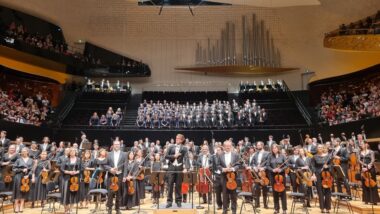
Mildred’s debut album, Fenceline, grew out of a loose, pandemic-era friendship in Berkeley that gradually became a band. Singer-guitarist Henry Easton Koehler, singer-bassist Matt Palmquist, and Jack Schrott were living together in a house and spending much of their time talking about music, listening to records, drinking beers, and playing instruments in the living room. When drummer Will Fortna, who was often visiting from out of town, joined in, their informal jam sessions began producing songs. What started as casual hangs slowly turned into a real collaborative project, though the group says it never felt planned or forced.
The result is a full-length debut that feels intimate, lived-in, and carefully assembled without losing its natural looseness. Fenceline is being described as one of 2026’s most quietly impressive early releases, with songs that blend observational lyric writing and understated folk-rock arrangements. The record has drawn comparisons to David Berman’s writing, especially the work of Silver Jews, while also echoing the harmony-rich, rootsy feel of The Band and Crosby, Stills, Nash & Young. The music is subtle but memorable, with details that reveal themselves over repeated listens: a guitar solo that cuts off abruptly, backing vocals that feel like a campfire chorus, and refrains that linger long after the songs end.
A major part of Mildred’s identity is its democratic, no-frontperson approach. All four members contribute to the writing process, bringing in ideas, lyrics, and arrangement suggestions. Rather than relying on one dominant songwriter, the band describes itself as a kind of organic co-op, with each member shaping songs in rehearsal. The group says this structure has made the music stronger and the process more enjoyable, allowing them to focus on what best serves each song rather than individual ego.
The band members also came to music from different paths. Koehler and Schrott grew up together in Portland and played music from an early age. Fortna, who had played in bands in London and later moved to the United States for law school, found himself pulled back into music after connecting with the others. Their first performances were local and informal, but a tour with Naima Bock gave them a clearer sense that the project had real staying power and emotional weight.
For Mildred, the pandemic period was less about grand plans than about time, proximity, and shared taste. The members bonded over artists like Silver Jews and David Berman, and those influences helped shape the tone of the band’s writing. Their name, Mildred, came from an earlier joke idea but eventually stuck because it fit their unflashy, unpretentious identity. The band says it likes that the name feels old-fashioned, gentle, and a little odd—qualities that match the music itself.