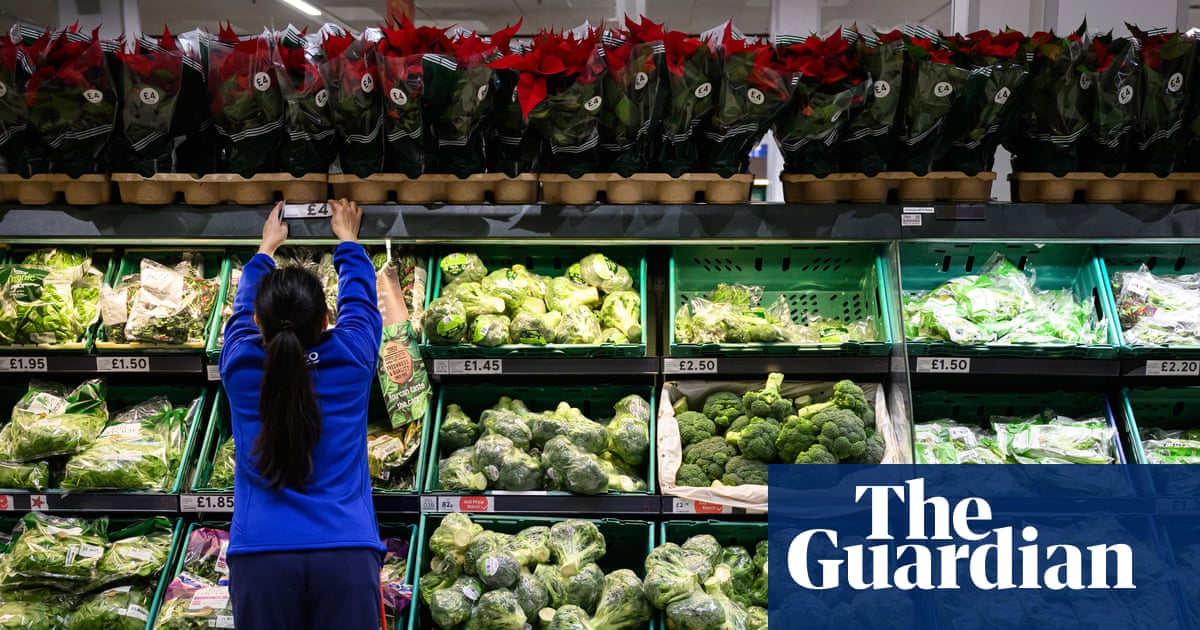
Britain is facing a growing food security crisis as extreme weather, rising prices and geopolitical shocks combine to put pressure on farmers, shoppers and the wider supply chain. Food experts have warned that the country is “sleepwalking into a food crisis” and say the government is underestimating the scale of the threat.
The warning comes during a severe heatwave after an unusually dry spring, which has already stressed crops and livestock across the UK. Farmers are expecting lower yields in some harvests as temperatures rise beyond what plants can tolerate, while animals are suffering heat stress and the risk of wildfires is increasing. Experts say the financial damage could run into hundreds of millions of pounds.


Food inflation is also expected to worsen. Prices were already forecast to be 50% higher this November than five years earlier, and further heatwaves could intensify pressure on supply and costs during the summer, when temperatures may rise above 40C. The impact of the Iran war is adding another layer of strain, with fuel and fertiliser prices likely to remain elevated until disruption through the Strait of Hormuz eases.
The situation has prompted calls for urgent action from a group of nine food experts, who wrote to ministers this week urging an update to the national food strategy. They say the UK must prepare for a future shaped by more extreme weather, higher temperatures and more frequent supply shocks. Their priorities are stronger domestic production of healthy food, better resilience in supply chains, and improved access to safe, affordable and nutritious food for everyone.
Among the signatories are Mike Barry, former director of sustainable business at Marks & Spencer; Anna Taylor, executive director of the Food Foundation; and Lee Stiles, secretary of the Lea Valley Growers’ Association. They argue that government policy must move beyond short-term responses and address long-term risks to food security.
Professor Tim Lang of City St George’s, University of London, said ministers are treating the issue as “business as usual” despite repeated warnings from scientific, intelligence and policy sources. He said the public may be more aware of the risks than the government and warned that volatility has become the new normal, driven by climate change, geopolitics and the cost-of-living squeeze.
Retired general Richard Nugee, another signatory, said food security should be treated as a top national security issue. He warned that climate shocks abroad, war and trade disruption could reduce the availability of food and increase pressure on prices, leaving the UK vulnerable to shortages and public frustration.
A previous report from UK intelligence chiefs identified the collapse of overseas ecosystems as a national security risk because it could drive conflict, migration and competition for resources. The Climate Change Committee has also urged the government not to let domestic food production fall below 60% of the UK’s food needs, warning that climate-related damage to food production could rise sharply in the coming years.
The Department for Environment, Food and Rural Affairs has been asked to comment.




/https://i.s3.glbimg.com/v1/AUTH_59edd422c0c84a879bd37670ae4f538a/internal_photos/bs/2024/B/a/NAkCAtRnKowjFdfvFetg/nuvem-chuva0001.jpg "Ciclone em formação coloca Paraná em alerta para novas tempestades e chuvas intensas; veja a previsão do tempo")