The war in Ukraine is entering a new phase as Russian forces appear to be paying a higher price for smaller battlefield gains, according to the Washington-based Institute for the Study of War. The think tank says the character of the conflict is shifting in Ukraine’s favour for now, with Russian casualties reportedly exceeding monthly recruitment for five consecutive months. That trend is adding pressure inside Moscow and raising questions about how long Russia can sustain the current pace of fighting.
Nigel Gould-Davies of the International Institute of Strategic Studies says Russia is confronting growing industrial and manpower limits, forcing it to consider whether it will soon need to mobilise more of its economy and society. He warns that any move to compel more people into military service would be deeply unpopular and disruptive, carrying serious risks for domestic stability in Russia. Even so, the broader strategic picture remains dangerous for Ukraine, which continues to face intense missile and drone attacks.
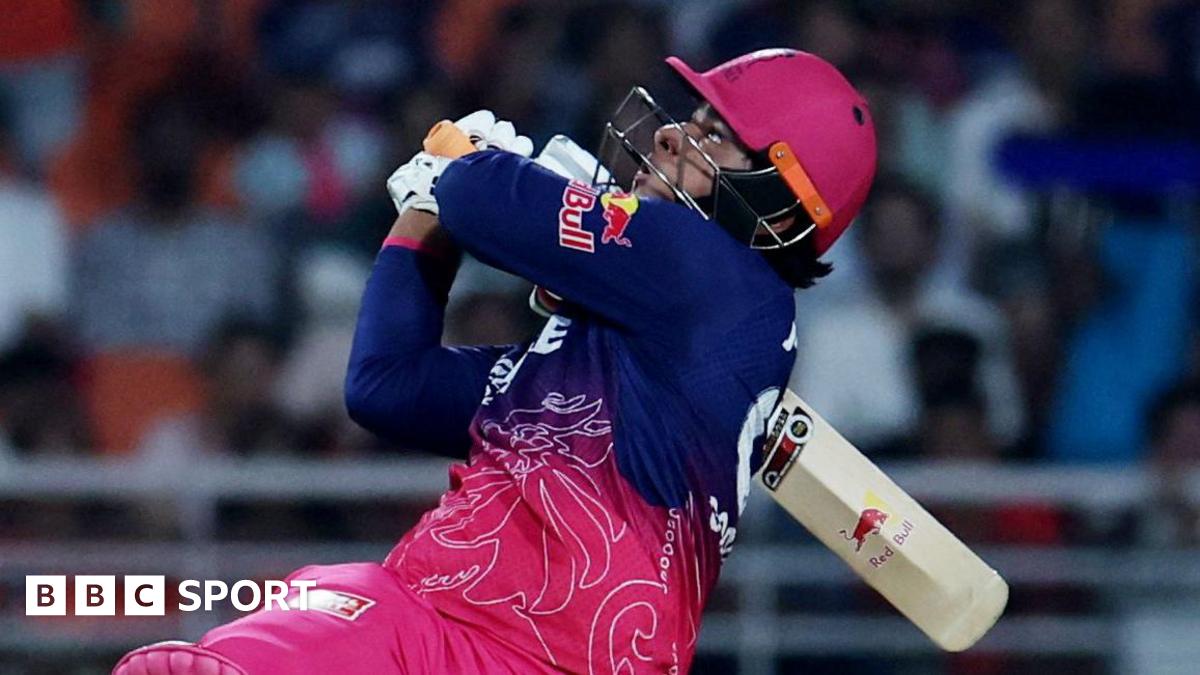
Kyiv is still dealing with the effects of Russia’s latest large-scale strike over the weekend, described as a revenge attack. Moscow launched nearly 600 drones and 90 missiles, with most aimed at the capital. Ukraine’s air defences intercepted the majority of the drones, but 35 missiles still reached their targets. Among the weapons used was at least one Russian Oreshnik hypersonic missile, a rare and highly advanced system that is difficult to stop with conventional air defence equipment. The missile reportedly carries six warheads and has been presented by Russian officials as a symbol of technological strength.
Ukrainian security expert Stupak said the Oreshnik is being used primarily for propaganda rather than decisive military effect. He added that, so far, the missiles appear to have carried inert warheads and caused only limited destruction. Even so, the deployment of such weapons underscores Russia’s willingness to continue escalating pressure on Ukraine, especially through repeated strikes designed to overwhelm air defences and disrupt daily life in cities.
Ukraine’s leaders are responding by urging allies to provide more air defence systems and interceptor missiles. President Volodymyr Zelensky has renewed his calls for additional support, while Yurii Inhat, spokesman for Ukraine’s Air Force, said the key challenge is the limited supply of interceptor missiles available to protect Ukrainian airspace. US-made Patriot systems remain the only effective weapons against Russia’s ballistic missiles, but supplies are not sufficient to meet demand.
The latest developments suggest that Russia may be under increasing strain, yet Ukraine also faces growing risks as it struggles to defend itself against sustained and repeated missile barrages. The battlefield momentum may be shifting in places, but the war remains highly destructive and unpredictable for both sides.