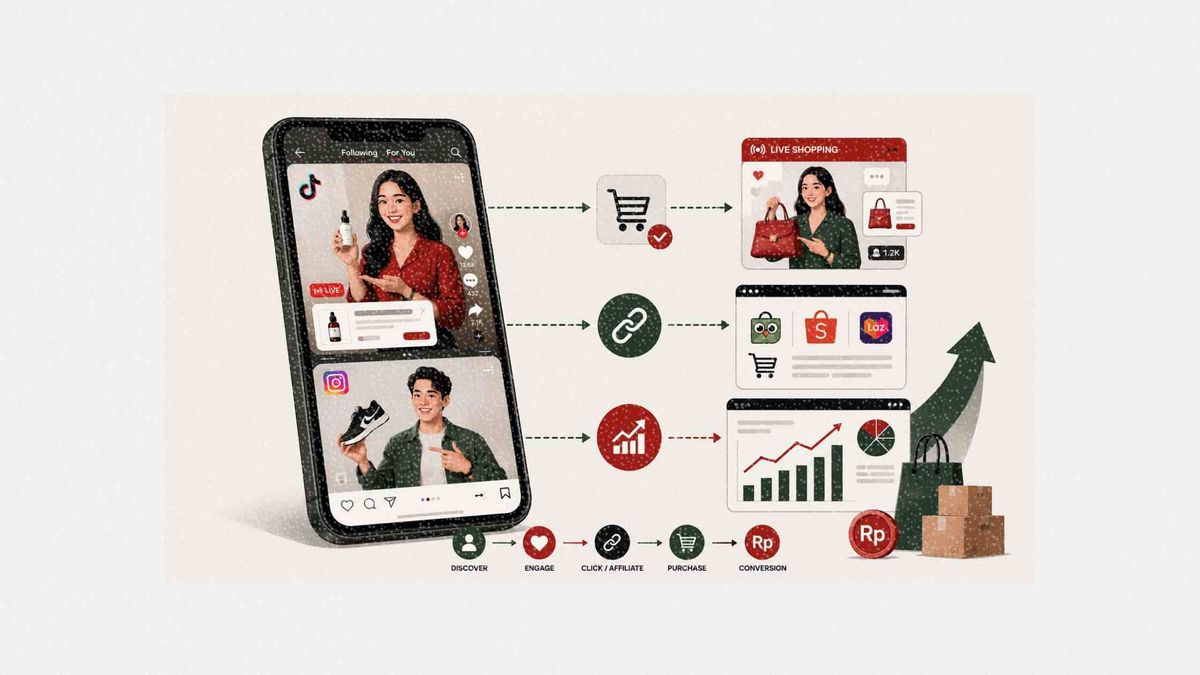
Indonesia is one of the most performance-driven influencer markets in Asia-Pacific, and brands that apply Western awareness-first playbooks often miss what works locally. In 2026, influencer marketing in Indonesia is increasingly built around measurable outcomes such as clicks, add-to-cart actions, affiliate sales, and TikTok Shop purchases rather than simple reach. According to recent industry analysis, 74% of influencer campaigns in Indonesia are now designed with performance outcomes in mind, making the country the region’s most advanced market for outcome-focused creator marketing.
This shift has changed how campaigns are planned, paid, and measured. Cost-per-result models are now common, and creators are expected to support trackable actions rather than only deliver brand visibility. As a result, brands are putting more emphasis on creator verification and audience quality, since inflated follower counts and low-quality engagement no longer support commercial goals.

Platform strategy in Indonesia is also highly specific. TikTok plays the role of the discovery engine, especially for beauty, fashion, consumer goods, and other product categories that benefit from quick introductions and direct conversion tools. TikTok Shop, affiliate links, creator storefronts, and live selling have made it possible for users to move from product discovery to purchase in one session. Instagram still matters, particularly for higher-consideration categories such as premium beauty, fashion, and professional audiences, where users are more likely to be in a validation or comparison stage. YouTube remains important for longer-form reviews, tutorials, and product comparisons, especially in technology and electronics. Live commerce has become a strong channel in Indonesia as well, with beauty, fashion, and food among the categories that perform well in live-selling formats.
Content style is another major factor. Indonesian audiences tend to respond better to raw, scenario-based, and relatable content than to highly polished studio production. A creator filming a real skincare routine, home kitchen unboxing, or honest product comparison often outperforms glossy branded content because it feels more like a personal recommendation than an advertisement. This is especially true for comparison-style content in tech and electronics, where Indonesian consumers often research purchases carefully before buying.
The country also has one of the largest creator ecosystems in the region, with more than 1.1 million Instagram influencers and a very large nano and micro creator base. Nano influencers in Indonesia often achieve stronger engagement than larger creators while charging far less, making them effective for performance campaigns. Pricing varies by creator tier, niche, and usage rights, but hybrid deals combining a flat fee with affiliate commission are becoming increasingly common.
Fashion, beauty, food and beverage, and tech are among the strongest categories for influencer campaigns. Ramadan and Eid al-Fitr are especially important seasonal periods, and brands need to plan well in advance because creator demand rises sharply. Overall, success in Indonesia depends on using the right platform, the right creator tier, local cultural context, and built-in attribution from the start.