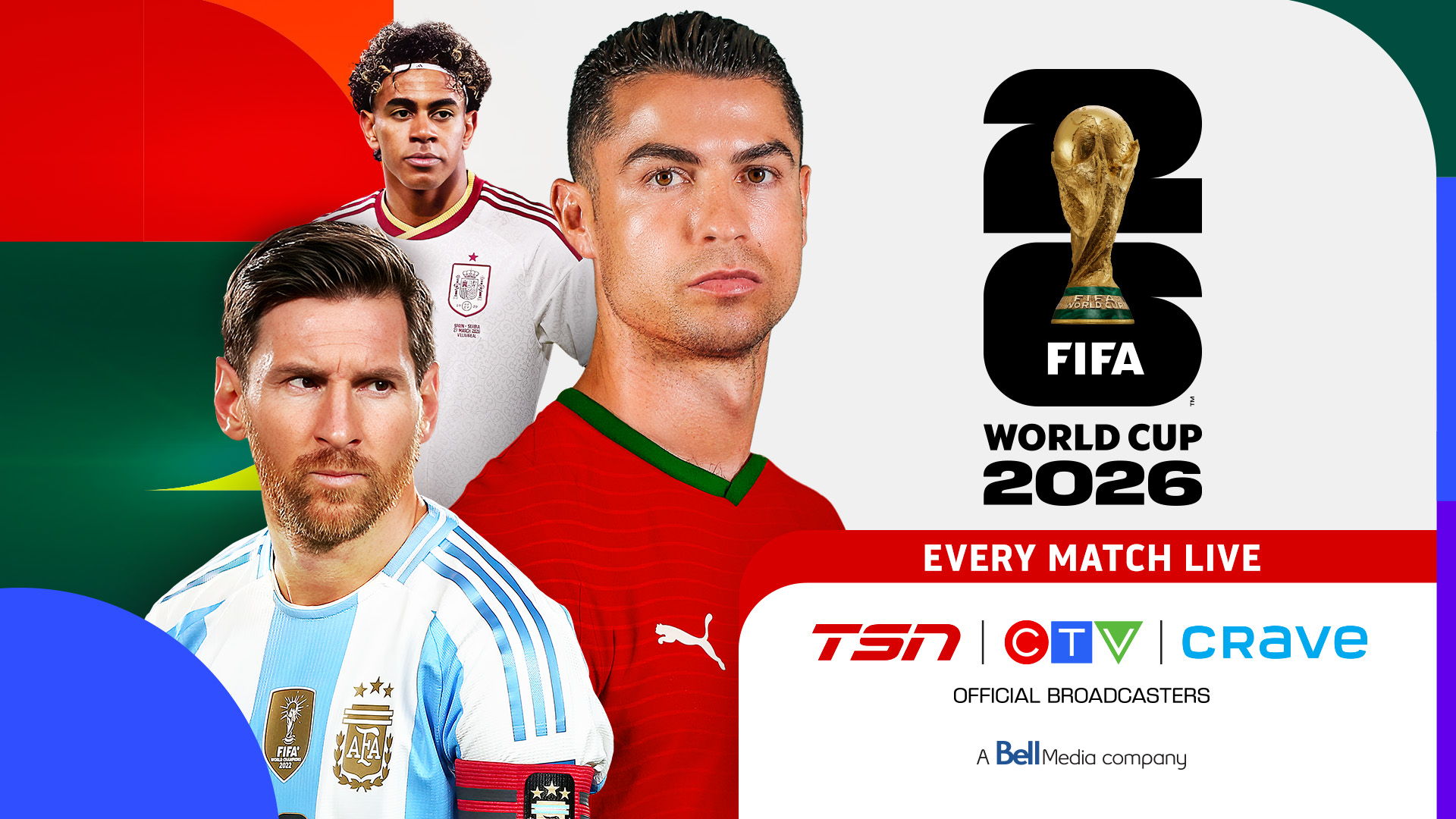
Globo faces a pivotal challenge at the 2026 World Cup as it seeks to preserve its long-standing presence in the tournament while also dealing with a major shift in its broadcasting role. The company has aired every men’s FIFA World Cup since 1970, building a historic connection with the competition and with Brazilian viewers. But for the 2026 edition, Globo will not hold the rights to broadcast all matches for the first time in its history, marking a significant change in its position within soccer coverage.
This new scenario makes the 2026 World Cup more than just another major sporting event for Globo. It becomes a test of the broadcaster’s ability to remain relevant in a highly competitive media environment, where sports rights are increasingly fragmented across different platforms and companies. Globo’s challenge is not only to continue covering the tournament, but also to maintain the audience loyalty and prestige it has traditionally enjoyed during World Cups.

/https://i.s3.glbimg.com/v1/AUTH_da025474c0c44edd99332dddb09cabe8/internal_photos/bs/2026/m/k/BrRBUDRVqmDmeQw4iINg/whatsapp-image-2026-03-30-at-18.56.09.jpeg "Lula and Motta’s Alliance Is Set to Extend Into Paraíba Elections")
The loss of exclusive access to all games changes the company’s role in a competition that has been central to its identity for more than five decades. Since 1970, Globo has been associated with Brazil’s World Cup experience, becoming a reference point for live coverage, analysis and extensive editorial attention. Without full rights in 2026, the broadcaster must adapt its strategy to stay influential even as the market evolves.
The situation also reflects broader changes in sports broadcasting. Major events that once concentrated all attention on a single network are now increasingly divided among multiple rights holders, digital services and alternative distribution models. For Globo, this means competing not just for viewers, but also for relevance in a landscape where access and visibility are no longer guaranteed by tradition alone.
The 2026 World Cup will therefore serve as a key moment for the company. It will need to balance its historical legacy with a new reality in which it no longer controls complete coverage of the tournament. That shift could affect how audiences consume the event and how Globo positions itself as a sports media leader in Brazil.
Despite this setback, Globo still enters the tournament with a powerful brand, deep experience in sports journalism and decades of World Cup history behind it. Its coverage remains likely to draw attention, but the company will be under pressure to demonstrate that it can remain central to the conversation even without the full broadcasting rights it once had.
In practical terms, the 2026 World Cup may become a defining case study for Globo’s future in sports media. How it responds could shape perceptions of the company’s strength, adaptability and influence in an era of rapid change.