The “82-0” game has quickly become a viral basketball challenge, drawing in fans, athletes, and commentators who want to build the strongest possible NBA starting five from different eras and teams. The premise is simple but competitive: players try to assemble a lineup capable of going undefeated through a simulated 82-game season. The result has sparked debate, creativity, and plenty of comparisons across generations of NBA talent.
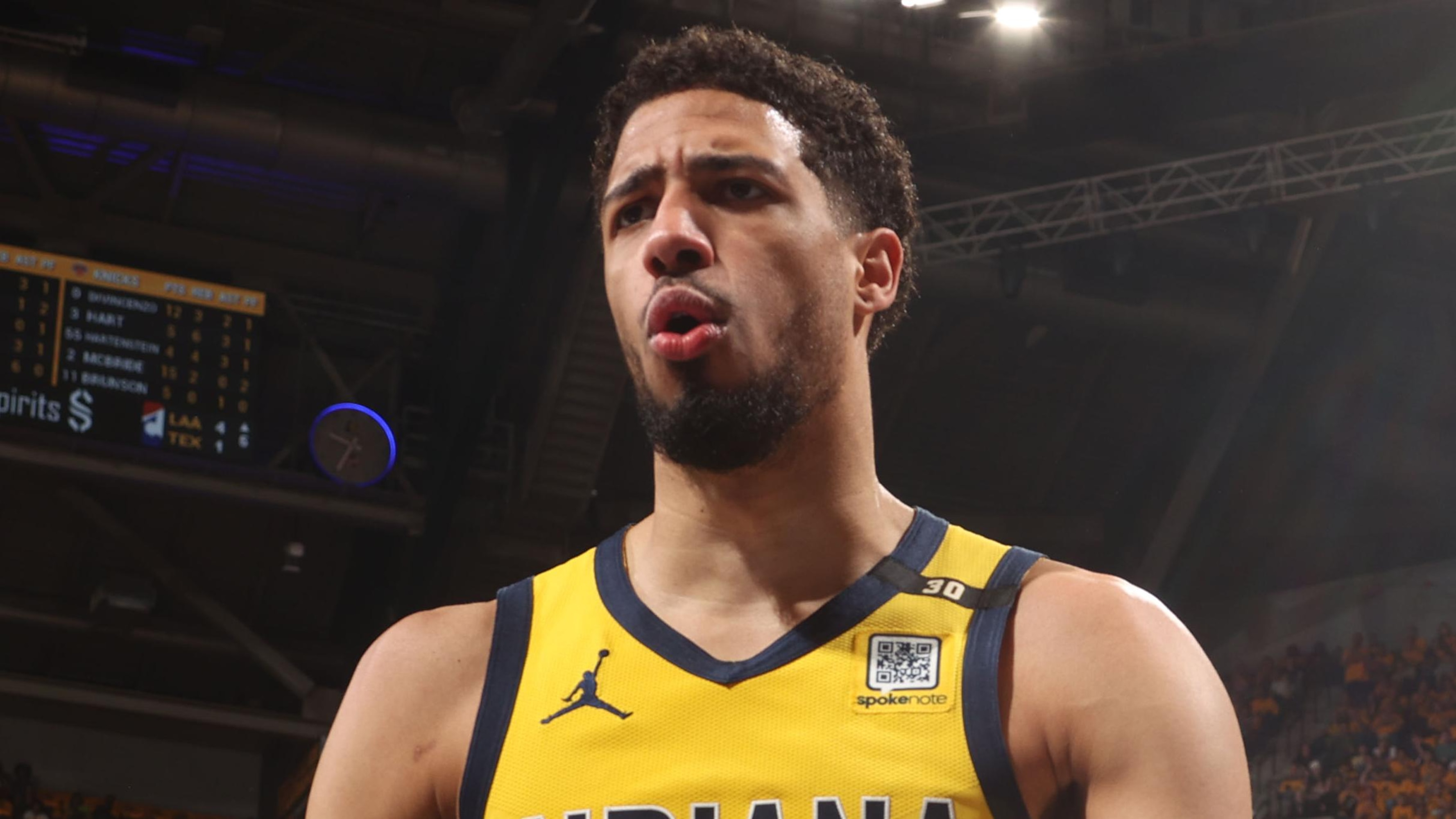
Since its launch, the game has gained attention from both casual fans and major basketball personalities. Reactions have come from NBA star Tyrese Haliburton, former player Brandon Jennings, radio host Dan Le Batard, and commentator Nick Wright, showing how widely the concept has spread across the basketball community. Part of the appeal is that it challenges players to think beyond just assembling the biggest names. Instead, they must make strategic decisions based on the teams and decades they are given.


The game works through five rounds, with each round presenting an NBA team and a specific decade. From there, the player must choose one athlete from that era and franchise to fill out the roster. That structure forces participants to consider fit, dominance, and positional value, rather than simply collecting all-time superstars. For example, if the prompt is the 2010s New York Knicks, Carmelo Anthony would likely be a top choice for one of the forward spots. Similar decisions become more difficult when the options come from older eras, where statistical records are less complete and comparisons are harder to make.
That historical challenge is part of what makes the game interesting. In earlier NBA decades, some advanced metrics and even basic statistics were not tracked the same way they are today. Blocks, for instance, were not officially recorded until the 1973-74 season, five years after Bill Russell retired. Even so, the game acknowledges Russell as one of the league’s most important historical figures and allows him to be a valuable roster option. Still, his impact may be harder to measure in the same way as a modern player like LeBron James during the 2010s, whose production is far more fully documented.
The 82-0 game has become more than just a fun exercise. It has turned into a test of basketball knowledge, era comparisons, and lineup-building strategy. Fans are not only trying to choose the best players, but also the best combinations, balancing scoring, defense, versatility, and chemistry. The format encourages thoughtful debate about who belongs on an all-time roster and which eras produced the strongest talent at each position.
At its core, the game taps into one of basketball’s most enduring discussions: how to compare legends across generations. By forcing players to make difficult picks under specific constraints, the 82-0 challenge has transformed that debate into an interactive competition. The result is a viral sports phenomenon that blends nostalgia, analysis, and strategy into a single basketball puzzle.