French Open 2026 Semi-Finals: How Ukraine-Russia Tensions Are Casting a Shadow Over Roland Garros

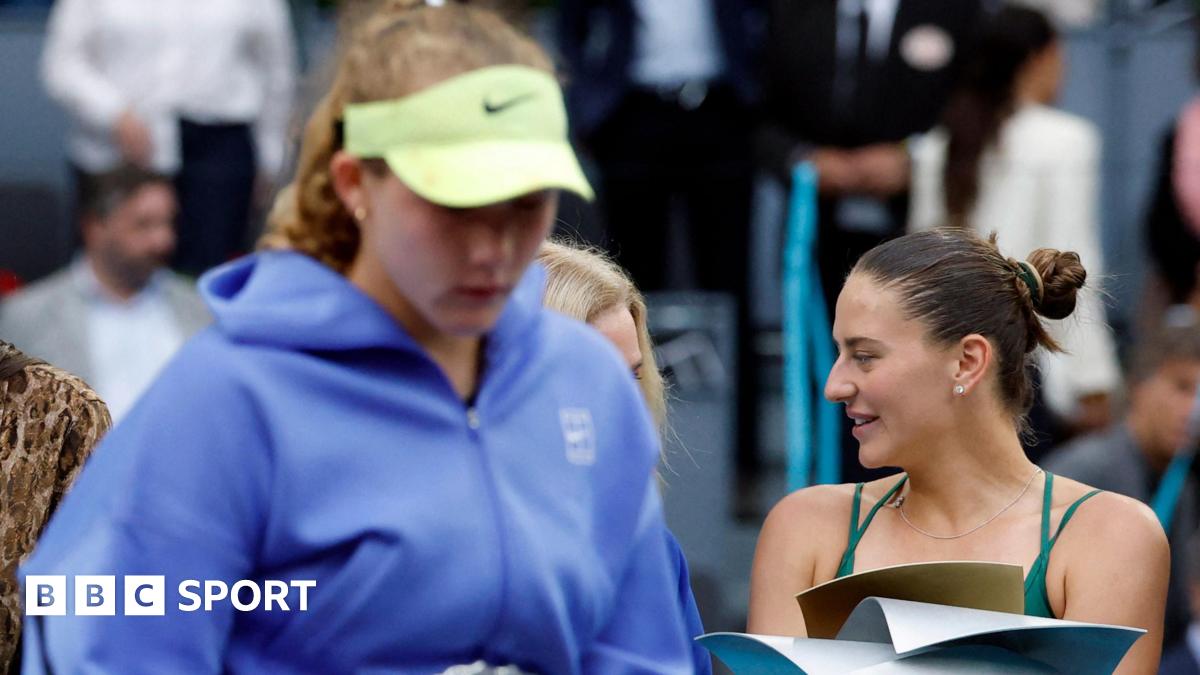
Marta Kostyuk’s run at Roland Garros has carried an added emotional weight, with the Ukrainian player again speaking about the war in her homeland and the burden it places on athletes from affected countries. Kostyuk has dedicated each of her victories in Paris to Ukraine and has repeatedly said that the suffering back home motivates her to keep competing. She also criticized the silence of fellow player Diana Shnaider, who declined to discuss the war or her feelings about it, saying the younger generation of players are fully aware of events because they have access to phones, social media and news. Kostyuk said it is difficult to understand how someone could sleep peacefully while knowing what is happening and choosing not to address it.
The debate around Shnaider added another layer to a tournament already defined by its surprises. With Shnaider set to face Polish qualifier Maja Chwalinska in one of the remaining women’s semi-finals, this year’s last-four lineup has an unusually limited geographic spread, highlighting how players from the region have continued to make a major impact. Each finalist has their own path, but former world number five Daniela Hantuchova said there is a common thread of resilience among players from countries facing hardship. Speaking on BBC Radio 5 Live, she said the pressure and adversity many of them grow up with can create a fierce hunger and determination to do whatever it takes to succeed.

That mentality has been visible throughout the tournament in Paris, where the women’s draw has opened the door for unexpected contenders to advance deep into the second week. All four semi-finalists have taken advantage of the opportunity, showing composure and belief in a wide-open field. For Kostyuk and the others, the next matches represent not just a chance to reach a Grand Slam final, but an opportunity to turn years of sacrifice and struggle into the biggest result of their careers.
The broader story is about more than tennis. It reflects how athletes from Ukraine and neighboring countries continue to carry the emotional and political realities of war into elite sport, even while trying to stay focused on competition. Kostyuk’s comments underline the personal cost of that balance, while Hantuchova’s analysis points to the deeper resilience that can emerge from difficult beginnings. With the championship now within reach, the remaining players face the challenge of maintaining their concentration and managing the pressure over the final days in Paris. Whoever handles that stage best will become a first-time Grand Slam champion, completing one of the most unexpected runs of the tournament.