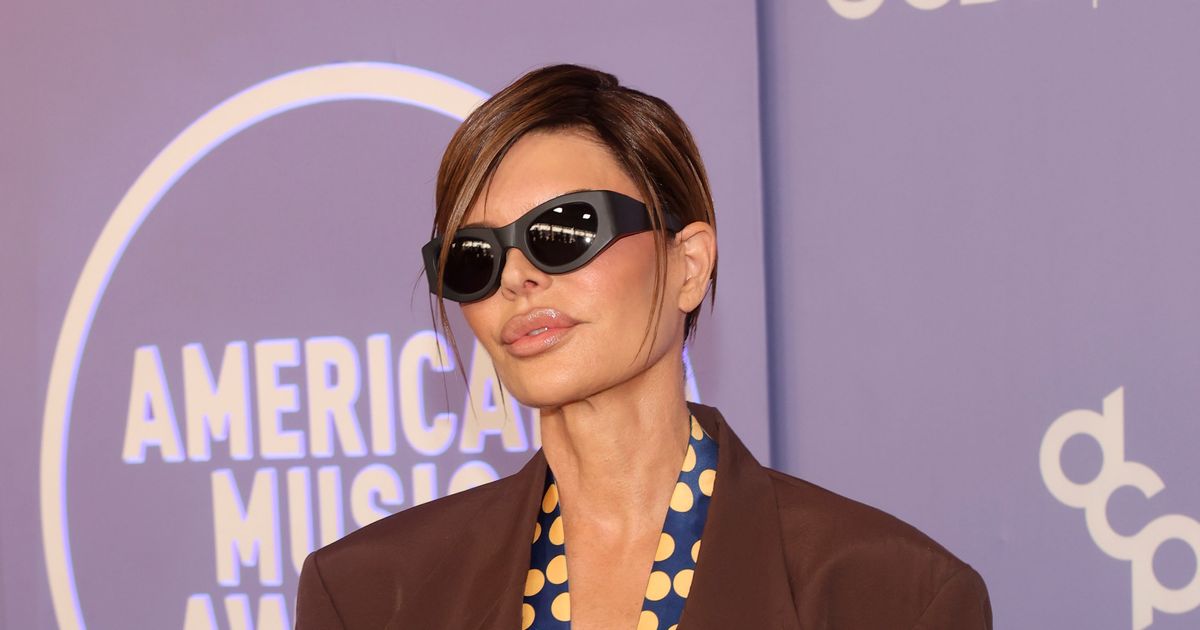
Lisa Rinna said she does not want reality TV star Spencer Pratt to become mayor of Los Angeles, rejecting the idea that reality personalities belong in political office. Speaking on the American Music Awards red carpet while wearing a tie featuring John F. Kennedy, the former “Real Housewives of Beverly Hills” star told Variety that she would not vote for Pratt or any other reality star in the LA mayoral race. She joked that the public would not want her in that job either, saying, “I’m a reality person. You wouldn’t want me as mayor!”
Pratt, best known for “The Hills,” has entered the Los Angeles mayoral contest and has drawn endorsements from figures including Joe Rogan, Donald Trump and Paris Hilton. Rinna’s comments add a skeptical voice to the growing attention around his campaign, which has blurred the line between celebrity culture and local politics.


Rinna said she likes Pratt but believes the city has already seen enough of that approach in leadership. She said, “We’ve already done that. We’re not gonna do that again,” signaling that her objection is not personal but rooted in her view that entertainment fame does not necessarily prepare someone to govern a major city.
She did not offer an alternative candidate, saying only that she was not sure who she would support for mayor. Still, her remarks were clear in their broader message: reality TV experience is not a qualification for political leadership. The exchange captured the tone of a celebrity-heavy election cycle in Los Angeles, where public figures often attract attention beyond traditional political circles.
The moment was notable not just for her criticism of Pratt, but also for the irony of Rinna’s own identity as a longtime reality TV figure weighing in on another reality star’s political ambitions. Her self-aware comment about not wanting herself in office underscored that point.
The comments were made during a red-carpet interview at the AMAs, giving the topic extra visibility as entertainment and politics continued to overlap in the public eye.