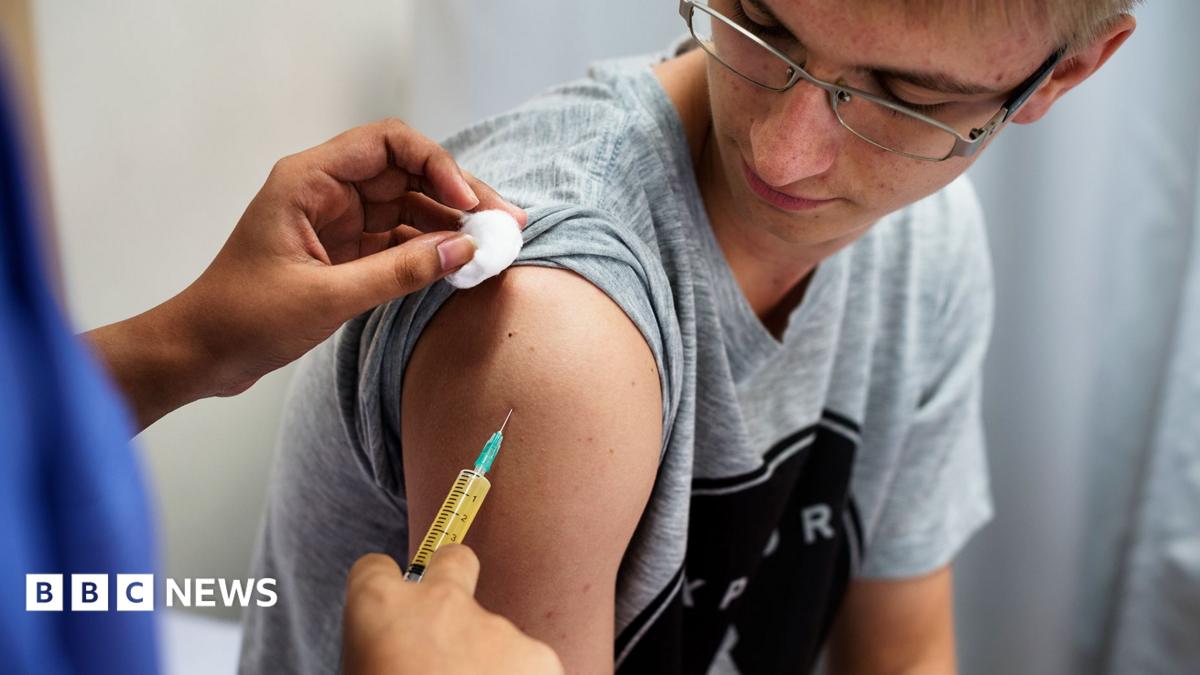
England will launch a one-off MenB vaccination programme for students entering university and residential colleges this autumn, following several unusual clusters of meningococcal B disease and concerns that cases could rise in coming years. Health officials said the move is intended to protect young adults at highest immediate risk while researchers assess whether there has been a change in how the disease is affecting people.
The announcement comes after a serious outbreak in Kent in March, when 21 meningitis B cases were confirmed and two people died. Officials described the speed and scale of that outbreak as unprecedented. Additional clusters were also reported in Weymouth in April, where three young people were affected, and in Reading, where one student died and three other cases were confirmed.
/https://i.s3.glbimg.com/v1/AUTH_b0f0e84207c948ab8b8777be5a6a4395/internal_photos/bs/2026/T/B/eNJBxdRSA8oRfSwvvjrQ/graciele-lacerda-2-.jpg "Graciele Lacerda Chora ao Falar da Recuperação da Filha Após Cirurgia para Retirada de Nódulo no Rosto")
Professor Shamez Ladhani of the UK Health Security Agency said the current number of MenB cases this year is not higher than in recent years overall, but the concentration of infections among young adults has prompted immediate protective action. He said the Kent outbreak may be linked to the natural pattern of meningitis B, which tends to cycle through periods of low activity followed by higher activity. After around 25 years of relatively low circulation, fewer people may now have exposure to the bacteria, leaving more of the population vulnerable.
The Bexsero vaccine, which will be used in the one-off programme, is already part of the routine infant immunisation schedule in the UK. Evidence from the infant programme suggests the vaccine’s protection lasts at least six years, and has reduced MenB disease by about 75% in vaccinated groups. Health experts are now reviewing whether the routine vaccination programme should be expanded further.
The government said the new programme will give two doses of the vaccine before the academic year begins, with the aim of lowering the risk of serious illness and preventing larger outbreaks in settings where students live closely together. The decision reflects growing concern that meningococcal disease activity could increase in the coming years.
Charity groups welcomed the move. Dr Tom Nutt of Meningitis Now said the announcement marks real progress in protecting young lives and could prevent many cases of meningitis. However, he said more work is needed to ensure everyone at risk is covered, including current university students and younger teenagers, and urged continued campaigning for MenB vaccination to be added to the UK’s routine immunisation programme.
Health advocates also stressed that vaccination remains only part of the response. They said people should continue to watch for the signs and symptoms of meningitis and seek urgent medical help if they are worried, as the illness can develop rapidly and become life-threatening.