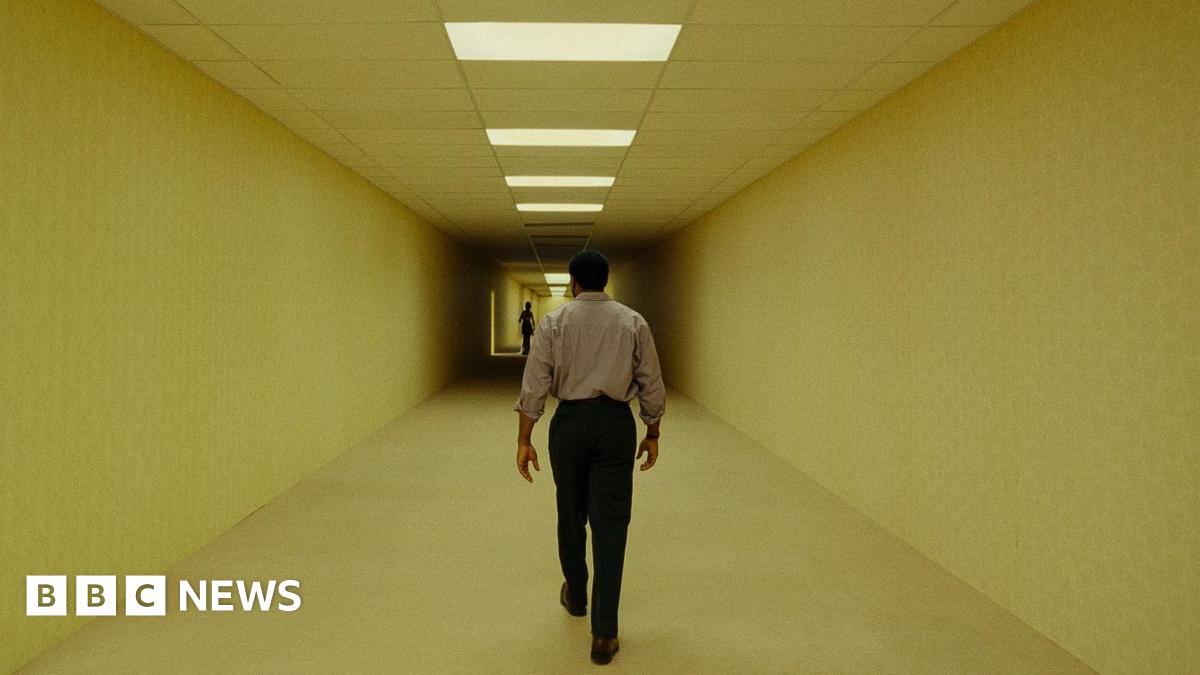
A24’s horror project Backrooms is emerging as an example of Hollywood’s growing interest in internet-native stories and creators, as studios look to online culture for fresh talent and built-in audiences. The film comes from filmmaker Kane Parsons, who rose to attention through a series of unsettling YouTube videos built around the “Backrooms” concept, a fictional maze of endless, eerie spaces that has become a recognizable piece of digital horror culture.
Industry observers say the project reflects a wider trend. Entertainment analysts have pointed to a new wave of films shaped by Gen Z’s formative years online, including projects that begin on YouTube or in gaming communities and then move to cinemas. One example is Markiplier’s Iron Lung, a horror film adapted from a video game and released independently, which has reportedly grossed more than $50 million worldwide. In the same vein, Backrooms has drawn significant attention even before its theatrical release, with its online trailer becoming one of A24’s most-watched uploads and generating tens of millions of views.

That digital attention is now being tested at the box office. The central question for studios is whether online excitement can translate into real-world ticket sales. Analysts say the early signs are encouraging. The film is expected to perform well above its reported $10 million production budget and is being positioned as a potential event movie, something that feels distinctive in an era when many viewers are choosing streaming over cinemas.
The appeal for Hollywood is twofold: these projects come with audiences already invested in the source material, and they offer studios access to creators who understand the language, pacing and aesthetics of the internet. In the case of Backrooms, producer Chris White reportedly discovered Parsons’ work after his teenage son recommended it, underscoring how online fandom can help drive decision-making inside the industry.
Parsons is not alone. Other young internet-born filmmakers are also finding paths to theatrical releases. Curry Barker, 26, recently brought his horror film Obsession to cinemas after building momentum online in a similar way. Together, these releases suggest that studios are increasingly willing to bet on creators who first prove themselves on digital platforms before moving into traditional filmmaking.
For Parsons, attention on his age has often overshadowed discussion of the film itself. But he says his inexperience was not a concern on set, where conversations focused on the project rather than his background. He described working in an intense, highly focused environment and said he compensated for any lack of experience through obsessive commitment to the material.
The broader significance of Backrooms may extend beyond one film. If it succeeds, it could strengthen the case for a new kind of Hollywood development model, one in which online fandom, viral reach and creator-led storytelling become a reliable route to theatrical success. In that sense, Backrooms is more than a horror title: it is a test case for whether internet-born ideas can keep escaping the screen they came from and thrive on the big screen too.