India’s 40 Coastal Districts May See Summer Temperatures Rise by More Than 1°C by 2040: Report

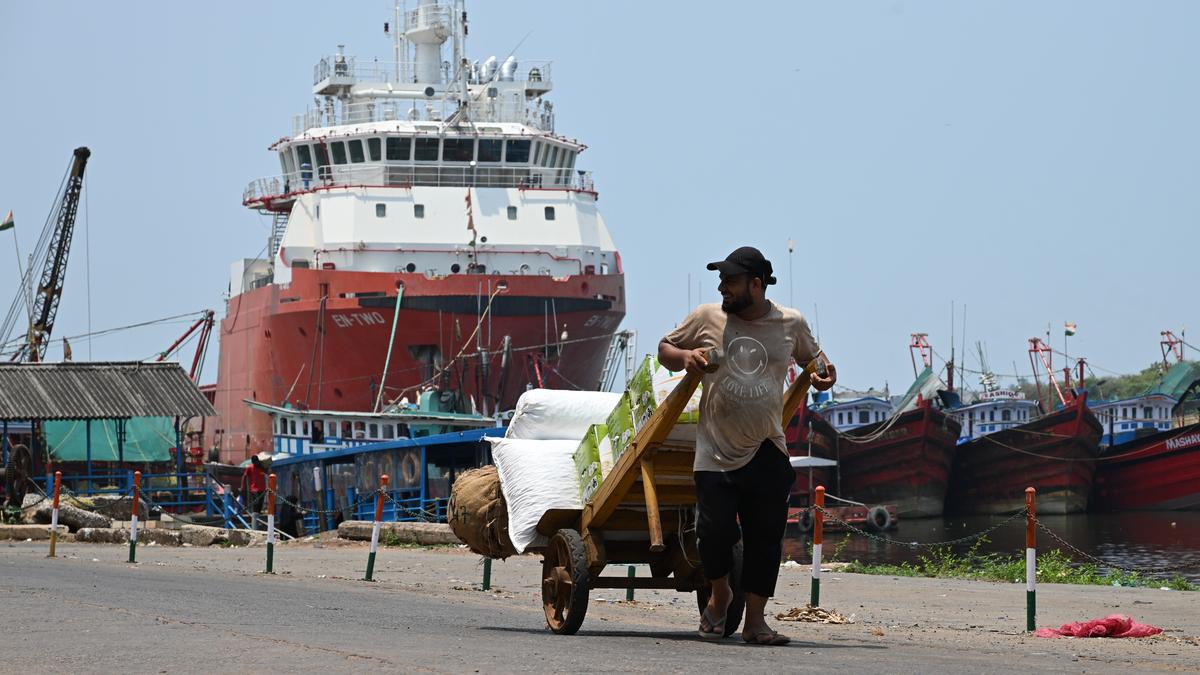
A new report by Azim Premji University warns that India’s coastal districts are heading toward a sharper climate crisis by 2040, with around 40 coastal districts expected to see summer temperatures rise by more than 1°C. The findings, published in the “Indian Coastal Region: Climate Projections 2021-2040” report, indicate that districts in Karnataka, including Dakshina Kannada, Uttara Kannada and Udupi, are among the areas likely to experience significant warming, along with stronger rainfall and rising climate stress across the coastline.
The report says India’s average temperature is projected to rise by 1.5°C, while the window for adaptation is narrowing quickly as the 1.5°C threshold is expected to be reached across administrative regions in the near future. It warns that the consequences will affect lives, livelihoods and ecosystems within just a few years, making district-level planning and resilience measures more urgent than ever.


In Karnataka’s coastal districts, the report projects consistent warming across seasons. Dakshina Kannada and Udupi are likely to see summer maximum and summer wet-bulb temperatures rise by 1.1°C. Uttara Kannada is expected to record the highest increase in winter minimum temperature at 1.2°C, along with a 1.1°C rise in summer wet-bulb temperature. Annual maximum and winter minimum temperatures are also set to rise by 1°C in Dakshina Kannada and Udupi, while Uttara Kannada is projected to see increases of 0.9°C and 0.8°C, respectively.
The study also points to wetter monsoons. In Dakshina Kannada, southwest monsoon rainfall, starting from a baseline of 1,983 mm, is projected to increase by 7%, while northeast monsoon rainfall could rise by 6% over its 243 mm baseline. Udupi, which already receives the highest rainfall among India’s coastal districts during the southwest monsoon, is projected to get 6% more rainfall from its 2,055 mm baseline, while northeast monsoon rainfall may rise by 10% over 219 mm. Uttara Kannada is also expected to see stronger precipitation, with southwest monsoon rainfall projected to increase by 8% from a 1,539 mm baseline and northeast monsoon rainfall by 13% over 167 mm.
Beyond Karnataka, the report highlights dangerous summer wet-bulb temperatures in coastal Kerala and Tamil Nadu, nearing 31°C, a level considered hazardous for human health. It also forecasts significantly higher rainfall in coastal Maharashtra and Gujarat, with suburban Mumbai likely to face nearly an extra week of heavy rain. Another concern is the rapid rise in sea surface temperatures, estimated at 0.27°C per decade, which could increase the likelihood of intense tropical cyclones.
Azim Premji Foundation CEO Anurag Behar said the report shows climate change is already a present-day reality and not a distant threat. Harini Nagendra, director of the School of Climate Change and Sustainability at Azim Premji University, said the findings underline the immediate, local nature of the crisis and the need to shift from reactive responses to proactive adaptation.