Mark Hamill Criticized for Sharing AI Image of Donald Trump’s Dead Body Days After Assassination Attempt

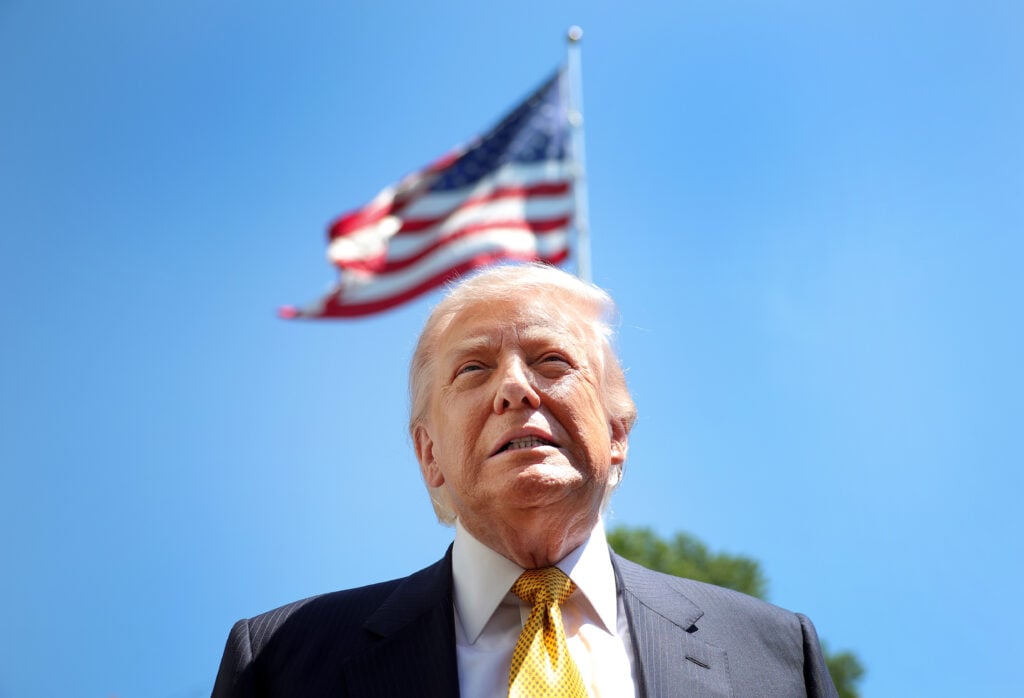
Mark Hamill is facing criticism after posting a meme on Bluesky that showed the funeral of President Donald Trump. The post drew attention because it came 11 days after the White House Correspondents’ Dinner shooting, leading some critics to argue that the timing was insensitive. However, the text Hamill attached to the image indicates that he was not wishing Trump dead. Instead, he wrote that Trump should “live long enough” to face political defeat, legal accountability, impeachment, conviction, and public humiliation, and to be remembered negatively in history. He later clarified his meaning, saying he was “wishing him the opposite of dead” and apologized if the image itself was inappropriate.
The backlash intensified when comedian Jamie Kennedy addressed the post on his podcast. Kennedy called the meme “insane,” “crazy,” and irresponsible, arguing that Hamill, as a high-profile public figure, should be more careful about what he shares with followers. Kennedy also pointed out that Trump was elected president and said public criticism should be expressed in a more tasteful way rather than through imagery that appears to celebrate death. His comments reflected a broader outrage from some Trump supporters and conservative commentators who viewed the post as crossing a line.

The controversy has been compared to the reaction surrounding Jimmy Kimmel, who was accused of joking about Trump’s death in the days before the Correspondents’ Dinner shooting. That episode also sparked demands from Donald and Melania Trump for Kimmel to be fired, though those calls were not acted on. Supporters of Kimmel argued that his remarks were made days earlier and were aimed at Trump’s age and health, not at encouraging violence.
In Hamill’s case, the central dispute is whether the meme was merely a harsh political jab or an unacceptable reference to death. His follow-up clarification suggests he intended to criticize Trump’s alleged corruption and future political downfall rather than endorse any harm. Still, the image itself, combined with its timing, made the post vulnerable to misinterpretation and fueled a wave of criticism online.
The incident highlights how political satire and personal attacks can quickly become controversial in a polarized climate, especially when they involve public figures with large audiences. It also shows the growing tension between free expression, political mockery, and the expectation that celebrities should avoid language or imagery that can be read as endorsing violence. While Hamill attempted to clarify his intent, the uproar around the post demonstrates how easily context can be lost on social media and how quickly public reaction can escalate when Donald Trump is the subject.