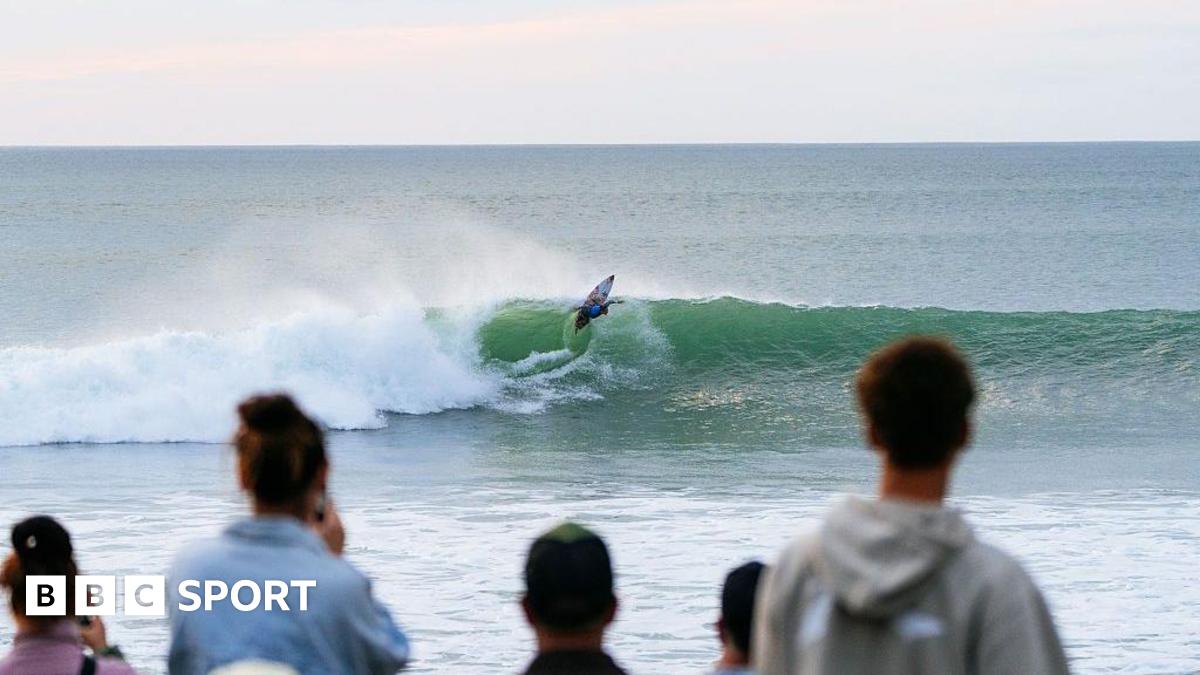
The final day of the World Surf League’s New Zealand Pro in Raglan was interrupted after a photographer was attacked in the water by an animal organizers believe was either a shark or a sea lion. The incident occurred during the men’s semifinal heat featuring Brazilian surfers Yago Dora and Italo Ferreira on the North Island, prompting officials to activate a “code red” and halt competition while medical teams responded.
World Surf League vice-president of tours and competition Renato Hickel said Australian photographer Ed Sloane sustained small puncture wounds and was taken to hospital by ambulance. He said the league uses the code red protocol when sea life attacks involve surfers or photographers, and described Sloane as being in good spirits despite the incident. Hickel also said the medical doctor on site believed the animal may have been a sea lion rather than a shark, though the exact cause of the injury remained unconfirmed.
The attack visibly affected the surfers, with Hickel saying Dora and Ferreira were shaken after seeing the splash and realizing what had happened in the water. Competition was paused for several hours as organizers assessed safety conditions and made adjustments before restarting the event.
Sloane later thanked the medical team and the WSL water patrol for their immediate response in a statement shared by the surf league. He said he was doing okay, had bites to his left foot, and was receiving medical attention. He also said he loved the location and was looking forward to watching the finals conclude, while wishing the competitors an “epic Finals Day.”
The event resumed later in the day under increased safety precautions. Organizers added more jet skis and deployed a drone spotter to monitor the water more closely as surfers returned to competition. The exact animal responsible for the attack was still unknown after the event was restarted.
The incident briefly overshadowed the championship action in Raglan and highlighted the risks faced by photographers and athletes working in open water during surf competitions. While the injury was not reported as life-threatening, the attack led to a significant delay and a heightened security response from event officials.