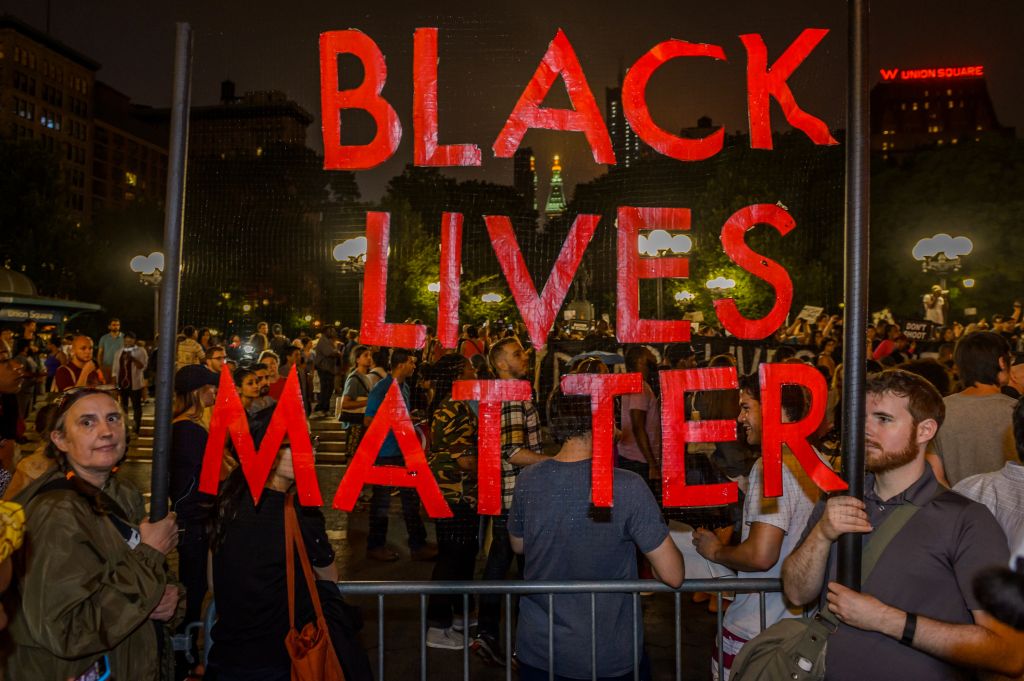
Throughout American history, Black Americans have repeatedly faced violence, discrimination, and unequal treatment in the justice system, often with little accountability for those responsible. From the era of Jim Crow to the present day, many cases have exposed how racial bias, police misconduct, and delayed or denied justice have shaped the lives of Black people in the United States. These incidents helped fuel the Civil Rights Movement and later inspired the Black Lives Matter movement, which emerged as a response to ongoing systemic racism and the unequal value placed on Black lives in the legal system.
Among the most infamous cases is the 1955 murder of Emmett Till, a 14-year-old from Chicago whose lynching in Mississippi shocked the nation after his mother insisted on an open-casket funeral. The acquittal of his killers became a powerful symbol of racial injustice. Similar patterns of delayed justice appeared in the killings of Medgar Evers, Malcolm X, and the four girls murdered in the 1963 bombing of the 16th Street Baptist Church, all of which underscored the danger faced by Black leaders and children during the Civil Rights era.

The issue continued in later decades with cases such as Arthur McDuffie, Eleanor Bumpurs, Yusef Hawkins, Latasha Harlins, and Rodney King, each reflecting deep failures in law enforcement and the courts. McDuffie’s beating by Miami police, Bumpurs’ killing during an eviction, Hawkins’ racially motivated murder, Harlins’ shooting in a Los Angeles store, and King’s brutal beating by LAPD officers all became flashpoints for public outrage and protest. These cases revealed how Black victims were often denied meaningful justice even when evidence was clear.
In the 2000s and 2010s, high-profile killings including Amadou Diallo, Sean Bell, Oscar Grant, Trayvon Martin, Jordan Davis, Renisha McBride, Eric Garner, Michael Brown, Tamir Rice, Freddie Gray, Sandra Bland, Alton Sterling, Philando Castile, Botham Jean, and Atatiana Jefferson further intensified national debate. Many of these deaths involved police or armed civilians claiming fear, self-defense, or mistake, yet the outcomes often left families and communities without full accountability. Video recordings, body camera footage, and social media played an increasingly important role in exposing these incidents to the public.
The deaths of George Floyd, Breonna Taylor, Ahmaud Arbery, Daunte Wright, Ma’Khia Bryant, Tyre Nichols, and Sonya Massey brought renewed attention to policing practices, racial profiling, no-knock raids, mental health responses, and the use of excessive force. Floyd’s death in particular became a global symbol of police brutality and sparked the largest racial justice protests in decades.
The list closes with the 2026 murder conviction of Karmelo Anthony in the stabbing death of Austin Metcalf, a case noted for its racial dynamics and the jury’s statement that race was not a factor. Taken together, these cases show a long national pattern: Black Americans have too often faced violence first and justice later, if at all.