The U.S. Mint is rolling out a major 2026 coin redesign to mark America’s 250th anniversary, with updated versions of the quarter, dime, nickel, half-dollar, and a special dual-date penny. The commemorative coins feature 1776 to 2026 markings and one-year-only designs meant to celebrate the semiquincentennial before circulating coins return to their usual appearance after the anniversary year. This is the largest nationwide coin redesign since the 1976 bicentennial.
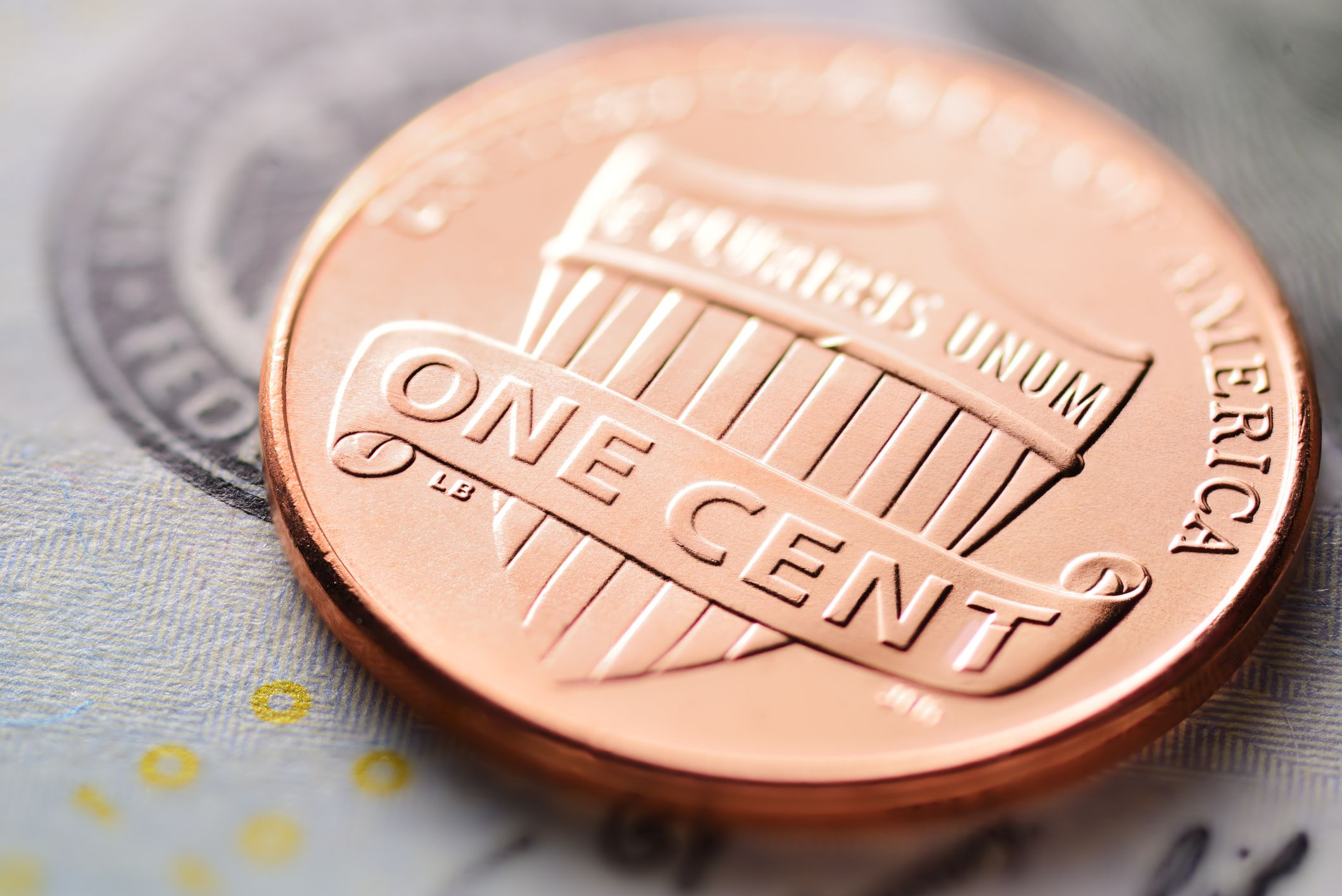
The penny, however, has a unique role in the new lineup. Although President Donald Trump ordered an end to the production of circulating pennies late last year as part of a cost-saving effort, the Mint has issued a special 2026 dual-date penny exclusively for collectors. Unlike the other redesigned coins, this penny will not be distributed to banks or used in everyday cash transactions. Instead, it will be available only through official Mint sets. The Mint is keeping the penny’s traditional Union Shield design for the celebration.

Other 2026 coins are already entering circulation, and the Mint is encouraging Americans to look for them in daily change through the #CoinHunt250 campaign, launched with the American Numismatic Association. Mint Director Paul Hollis has described the process as a kind of treasure hunt, noting that new coins typically take four to six weeks to reach circulation and often appear in banks before showing up in wallets and cash registers. Collectors seeking pristine versions are being directed toward uncirculated or proof sets sold by the Mint.
The redesigns vary by denomination. The half-dollar features a close-up profile of the Statue of Liberty on one side and Liberty passing her torch to a new generation on the reverse. The quarter series includes five rotating historical themes tied to major milestones such as the Mayflower Compact, the Revolutionary War, and the Declaration of Independence, with obverse portraits adjusted to match the historical era. The dime shows a forward-facing Lady Liberty wearing a cap, alongside an eagle in flight on the reverse. The nickel changes only through the dual-date marking.
While these coins are significant historically, most will remain worth only face value unless they are rare, flawless, or contain mint errors. Coins graded in top condition by professional services may attract collector premiums, and error coins can sometimes be worth hundreds or even thousands of dollars. Still, such finds are uncommon given modern minting processes and the huge volume of coins produced.
The article also notes a separate high-profile gold coin tied to the semiquincentennial, featuring President Trump’s profile and the center of a legal dispute. The Treasury has said the coin is intended as a commemorative issue, while a lawsuit argues that federal law bars living persons from appearing on U.S. currency and securities. If approved, only a very limited number would be produced.
For collectors, the piece also explains the tax treatment of coin sales. Profits from coins sold within a year are generally taxed as ordinary income, while longer holdings may be subject to the collectibles capital gains rate, with possible additional surtaxes for higher earners.