Good News for Vehicle Owners: Centre Removes All Cess and Excise Duty on Ethanol-Blended Petrol!

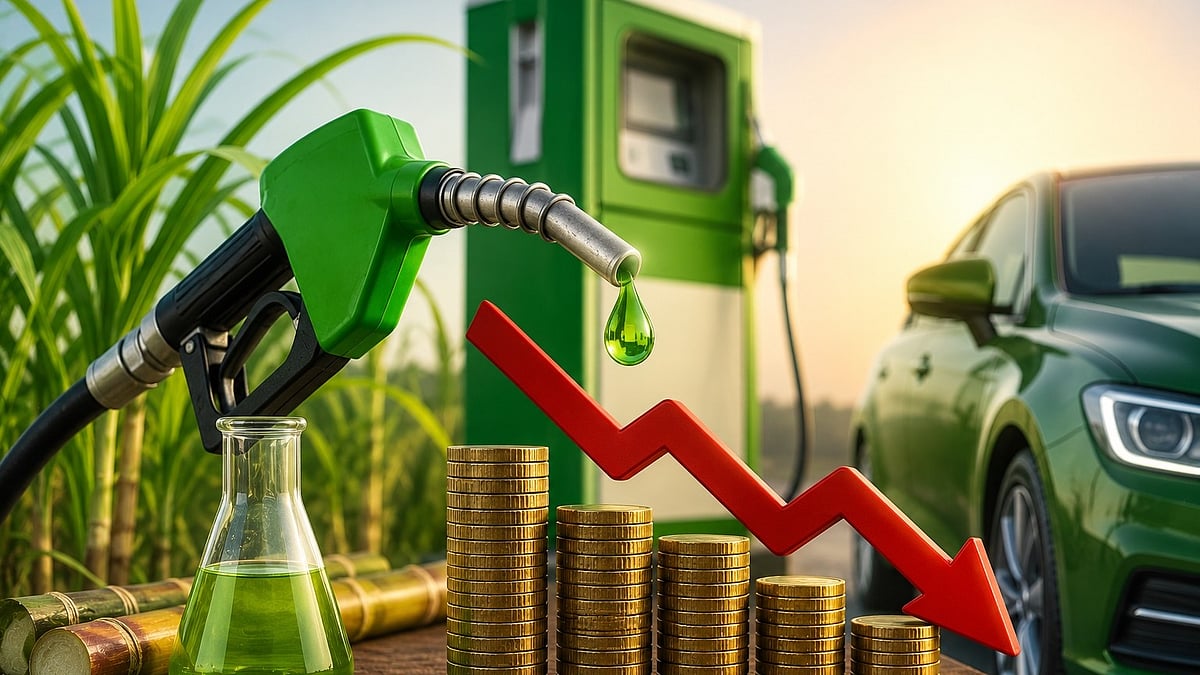
The central government has waived excise duty entirely on selected ethanol-blended petrol variants, in a move aimed at promoting cleaner fuel use and strengthening India’s biofuel push. According to a notification issued by the Finance Ministry, the excise duty on E22, E25, E27 and E30 ethanol-blended petrol has been reduced to zero. This means petrol containing 22%, 25%, 27% and 30% ethanol will no longer attract excise duty.
The decision is expected to give a further boost to ethanol adoption across the country and support the government’s broader goal of reducing dependence on imported crude oil. Over the past several years, the Centre has made ethanol blending a key part of its energy strategy, viewing it as an important way to cut fuel import costs, improve energy security and reduce pollution from conventional petrol use.

Ethanol-blended fuel is seen as a cleaner alternative because it can lower emissions compared with regular petrol. By encouraging higher ethanol content in fuel, the government is aiming to support both environmental and economic objectives. The policy also aligns with efforts to diversify India’s fuel mix and reduce vulnerability to global crude price fluctuations.
Ethanol is generally produced from agricultural feedstock such as sugarcane and maize, which means the latest tax relief could have an indirect positive impact on farmers as well. As ethanol production expands, it creates a larger market for agricultural produce and may improve farm incomes. This adds an important rural dimension to the policy, linking energy reform with agricultural growth.
The exemption on excise duty for higher ethanol blends reflects the government’s continued push to scale up biofuel usage in India. It also signals support for infrastructure and fuel retail systems that can accommodate blended petrol in increasing proportions. Industry observers see such measures as part of a wider transition toward more sustainable transport fuels.
With the excise duty now set at zero for these ethanol-blended grades, the government is reinforcing its message that clean energy alternatives will continue to receive policy support. The move is likely to be welcomed by stakeholders in the biofuel sector, agricultural producers and policymakers focused on energy self-reliance.