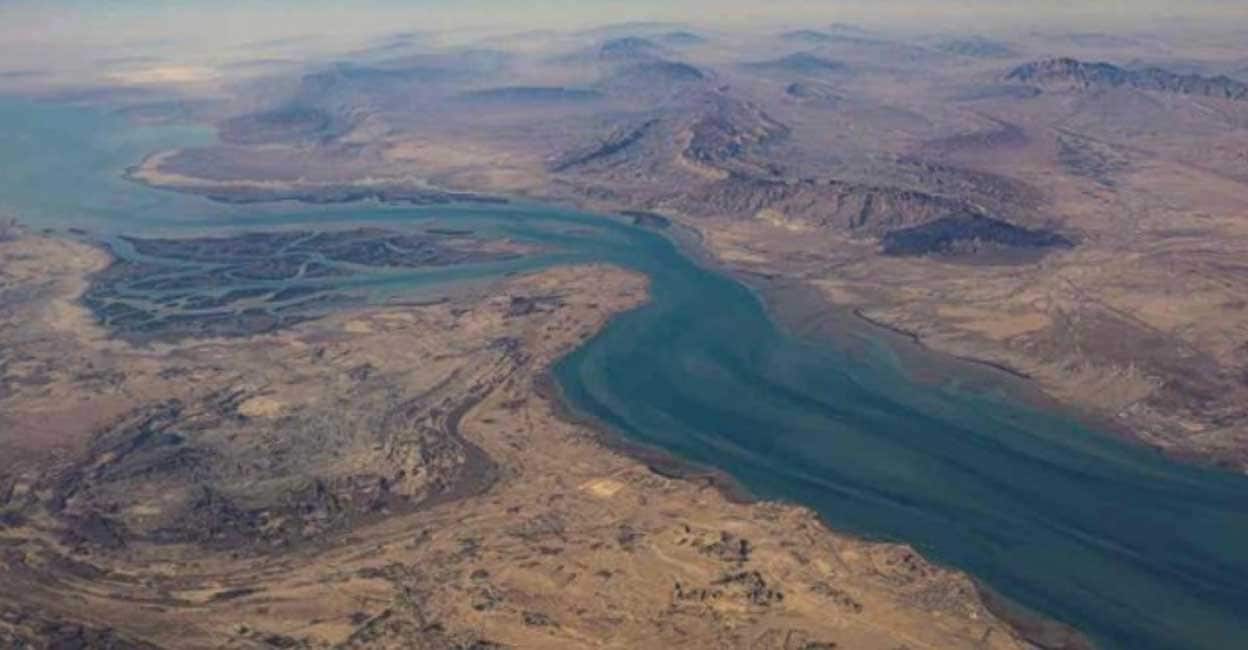
Iran announced it has closed the strategic Strait of Hormuz after fresh US airstrikes intensified the confrontation between the two countries. Iranian military leaders said all movement through the waterway, including oil tankers and commercial ships, has been halted, and warned that vessels attempting to pass through could be fired upon. The declaration came soon after US forces, acting on orders from President Donald Trump, carried out air attacks across Iran.
Iranian state media reported explosions and clashes near the Strait of Hormuz following the strikes. The Central Command of the US military confirmed that operations had expanded and that multiple targets inside Iran were hit. Iranian reports said blasts were heard in several parts of the country, including Bandar Abbas, the southern areas of Sirik, Minab, Qeshm Island and Hengam Island, as well as the northern city of Gorgan. Iran’s military also claimed that its Revolutionary Guard fired a missile at a US F-16 fighter jet.


The Strait of Hormuz is one of the world’s most important maritime routes because a large share of global oil shipments passes through it. Any closure or military escalation in the area raises concern over energy supplies, shipping safety and regional stability. Iranian officials said the closure was a response to what they described as repeated US attacks on Iranian territory.
Earlier, US Defense Secretary Pete Hegseth had warned that the military response against Iran would be forceful. He suggested the campaign would not end quickly and said there was still an opportunity for Iran to reach an agreement with Washington despite the ongoing attacks. That statement came as the US launched further strikes on Iranian targets.
According to Iranian news agency Tasnim, the Revolutionary Guard also targeted two vessels that tried to move through the Strait after the closure was announced. The agency said the ships were approached as part of Iran’s attempt to enforce its decision to block the waterway.
The escalation marks one of the most serious confrontations between the US and Iran in recent times. The rapid exchange of strikes has increased fears of broader conflict and made hopes for immediate de-escalation weaker. With military operations continuing and the Strait of Hormuz under threat, international attention is now focused on whether diplomatic channels can still prevent further violence.