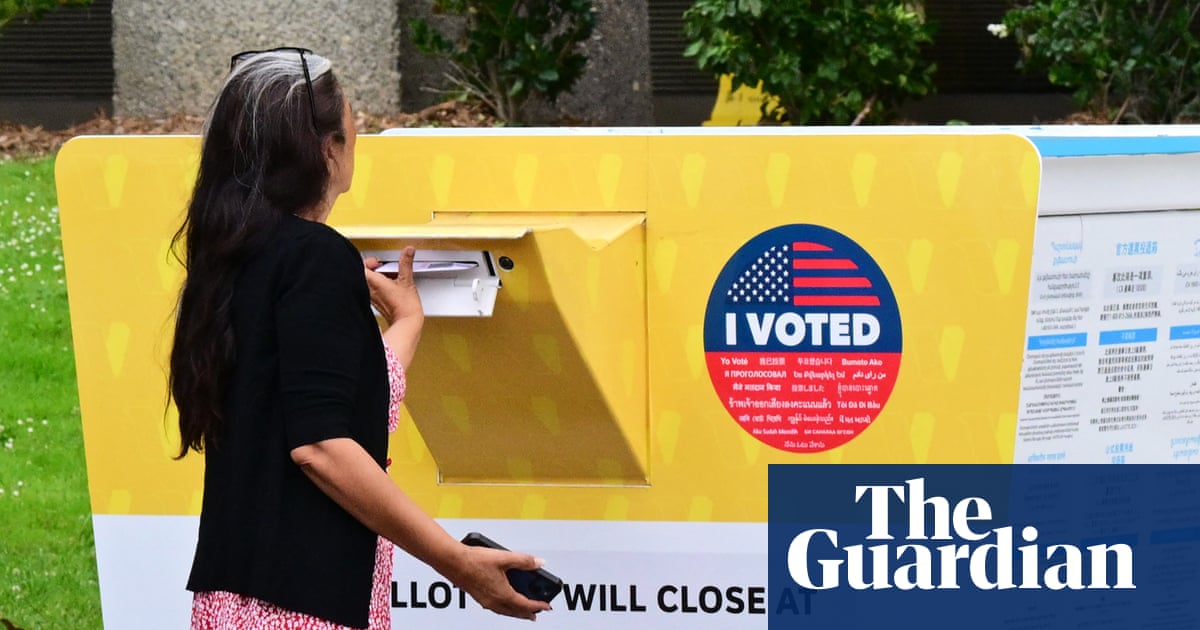
California’s high-profile gubernatorial primary remained too close to call on Tuesday night, with early results showing a tight race among a crowded field of candidates. Republican Steve Hilton and Democrats Xavier Becerra and Tom Steyer emerged as the leading contenders, though officials warned that many ballots still had to be counted before the final outcome could be known. Two Democrats, San Jose Mayor Matt Mahan and former Los Angeles Mayor Antonio Villaraigosa, conceded soon after polls closed.
Because California relies heavily on mail-in voting and takes time to verify ballots, the final results may not be clear for days or even weeks. Some voters also held their ballots until the last minute, adding to the slow count. Becerra and Hilton each expressed confidence that they would advance to the general election, while Steyer said he was still in the race and urged patience as every vote is counted.

The state’s unusual “jungle” primary system, in which all candidates appear on one ballot and the top two vote-getters advance regardless of party, made the contest especially unpredictable. The race featured 61 candidates for governor, including withdrawn candidates and fringe figures, and exposed deep uncertainty inside California’s Democratic Party. Despite the party’s large registration advantage, no clear consensus candidate emerged. Prominent figures including Governor Gavin Newsom, former Vice President Kamala Harris, Senator Alex Padilla, and Attorney General Rob Bonta stayed out of the race, leaving a fragmented field with no dominant frontrunner for months.
Voters across the state said they were focused on the same core issues that have shaped California politics for years: housing affordability, homelessness, wildfire risk, and the rising cost of living. Democrats worried that splitting the vote could allow two Republicans to advance, which would be a major political shock in a state where Republicans have been locked out of the governor’s office for years.
The campaign was further disrupted in April when Representative Eric Swalwell suspended his bid after sexual misconduct and assault allegations, which he denied. His exit reshaped the contest and helped create space for Becerra’s late rise. The former Biden administration health secretary and California attorney general positioned himself as an experienced and pragmatic public servant, using a message centered on competence and government know-how. His campaign leaned into that theme with a playful “hot competence summer” slogan.
Steyer, a billionaire investor and climate activist, offered a different pitch. After spending heavily from his own fortune, he portrayed himself as an outsider who could challenge Sacramento’s political establishment. Critics accused him of trying to buy influence, but he argued that self-funding gave him independence from outside pressure. Hilton, meanwhile, sought to make the race a referendum on Democratic leadership in California, blaming one-party rule for the state’s problems and drawing support from conservatives aligned with Donald Trump.
The state’s leadership battles extended to Los Angeles as well. Mayor Karen Bass advanced to the general election, while Spencer Pratt, a reality television personality turned political newcomer, was leading city council member Nithya Raman for the second spot. Bass has faced mounting criticism over her handling of the January 2025 wildfires and the city’s homelessness crisis, making her re-election contest unexpectedly competitive.